

The build-up consumed months. The narrative arc was perfect. Then the reality of McGregor’s UFC 329 return became one of the most discussed moments in recent combat sports history.
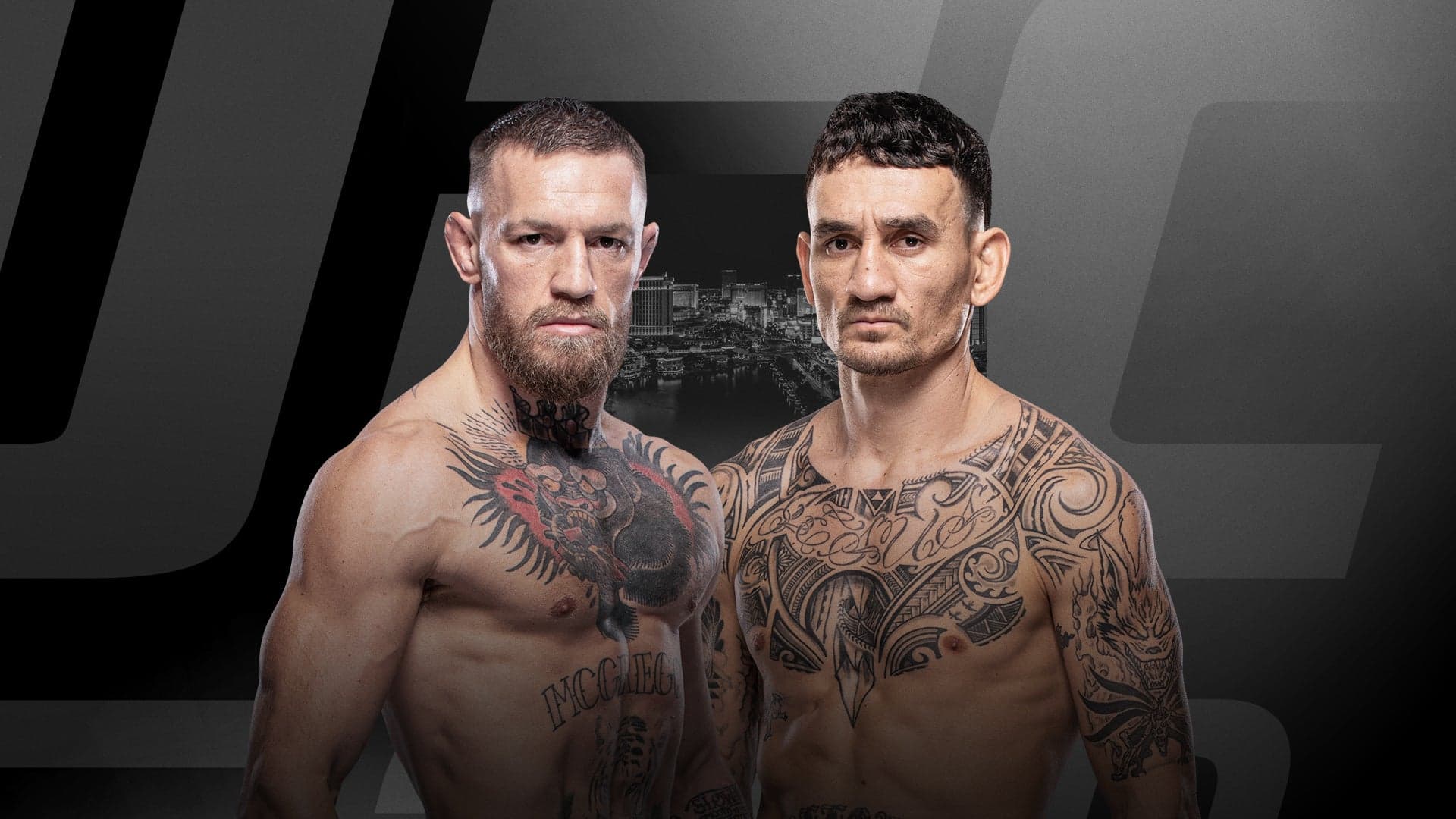
Conor McGregor was set to step back into the octagon after a five-year layoff, carrying the weight of expectation, controversy, and one of the most scrutinised comebacks in combat sports history. UFC President Dana White had proclaimed that McGregor’s return would break records, and the promotional machine delivered months of anticipation.
What followed became a masterclass in why live sport remains the single most valuable, irreplaceable asset in the entertainment economy: precisely because it cannot be controlled.
The Anatomy of a Five-Year Wait
McGregor’s UFC 329 return was supposed to be a redemption story. The Irishman had waited five years for this moment, and the intervening years had been filled with speculation, legal troubles, and questions over whether he still belonged at elite level. The promotional machine hummed. The press conferences delivered. The ticket sales soared.
Then reality intervened.
The fight that fans had been promised (the carefully choreographed comeback narrative) faced the unforgiving reality of elite competition. No script. No do-over. Just the volatility and drama that only live combat sport can deliver, playing out before a global audience with all its inherent unpredictability.
Why Live Sport Unpredictability Drives Commercial Value
In an age of algorithmic content, on-demand streaming, and curated experiences, live sport stands alone. It cannot be paused, edited, or predicted. That inherent volatility is precisely what makes it so commercially potent.
Consider the landscape. Global sports sponsorship represents tens of billions in annual investment, with live events commanding the lion’s share. Brands do not invest at that scale for predictability: they invest because live sport delivers moments that cut through the noise, generate genuine emotion, and create cultural conversation in real time.
McGregor’s UFC 329 return exemplified this dynamic. The anticipation, the five-year narrative, the uncertainty of outcome, all combined to create the kind of cultural moment that amplifies commercial impact rather than diminishing it.

The UAE and GCC: A Market Built on Live Sport Moments
The Gulf region understands this better than most. From the Formula 1 Abu Dhabi Grand Prix to UFC Abu Dhabi, the UAE has positioned itself as a global hub for world-class live sport experiences precisely because of their unscripted nature.
When UFC Abu Dhabi returns to Etihad Arena, it will not be selling certainty. It will be selling possibility: the chance to witness a knockout, an upset, a career-defining moment that no amount of CGI or post-production can replicate. That is the product. That is what fills corporate hospitality suites and drives sponsorship ROI.
For brands operating in the GCC, live sport offers something increasingly rare: guaranteed attention in an oversaturated media landscape. Whether it is trackside at Yas Marina Circuit or cageside in Abu Dhabi, the unpredictability of live sport creates an environment where brand messages land with impact.
What McGregor’s Return Teaches Sponsors and Brands
The nature of McGregor’s UFC 329 return (anticipated for five years, built into a global promotional campaign, yet ultimately subject to the realities of elite sport) demonstrates a fundamental truth about live sport as a commercial asset.
Key takeaways for brands and sponsors:
- Volatility creates value. The uncertainty and drama surrounding high-profile returns generate exponentially more conversation than predictable outcomes.
- Association trumps outcome. Brands aligned with major sporting events benefit from the cultural moment and the attention it commands, regardless of specific results.
- Live sport is appointment viewing. In a fragmented media world, few properties can still command synchronous, global attention. Combat sports (especially at this level) remain one of them.
The Unscripted Advantage in a Scripted World
Hollywood can craft the perfect third act. Streaming platforms can A/B test engagement. But they cannot manufacture the raw, unfiltered emotion of a moment that no one saw coming.
This is why corporate hospitality around live sport continues to command significant investment. Clients are not paying for comfort: they are paying for proximity to the unpredictable, for the chance to say they were there when the script was torn up.
McGregor’s UFC 329 return will be remembered not for what it was supposed to be, but for what it represented: a stark reminder that in live sport, anything can happen. And in entertainment and commercial terms, that uncertainty is worth its weight in gold.
The Enduring Power of the Unscripted Moment
After a five-year layoff, McGregor’s anticipated return generated headlines across continents, reshaped narratives, and proved once again that live sport operates by its own rules.
For brands, sponsors, and commercial decision-makers, the lesson is clear: the unpredictability of live sport is not a bug. It is the feature. It is what separates a broadcast from an event, a logo from a partnership, and a viewer from a witness.
McGregor’s UFC 329 return may not have unfolded as planned. But it delivered something far more valuable: a reminder that no one can predict what will happen when the cage door closes, and that uncertainty is what makes live sport irreplaceable.

Related Articles
UFC Freedom 250: How the UFC Turned the White House Into the World’s Most Powerful Sports Stage


