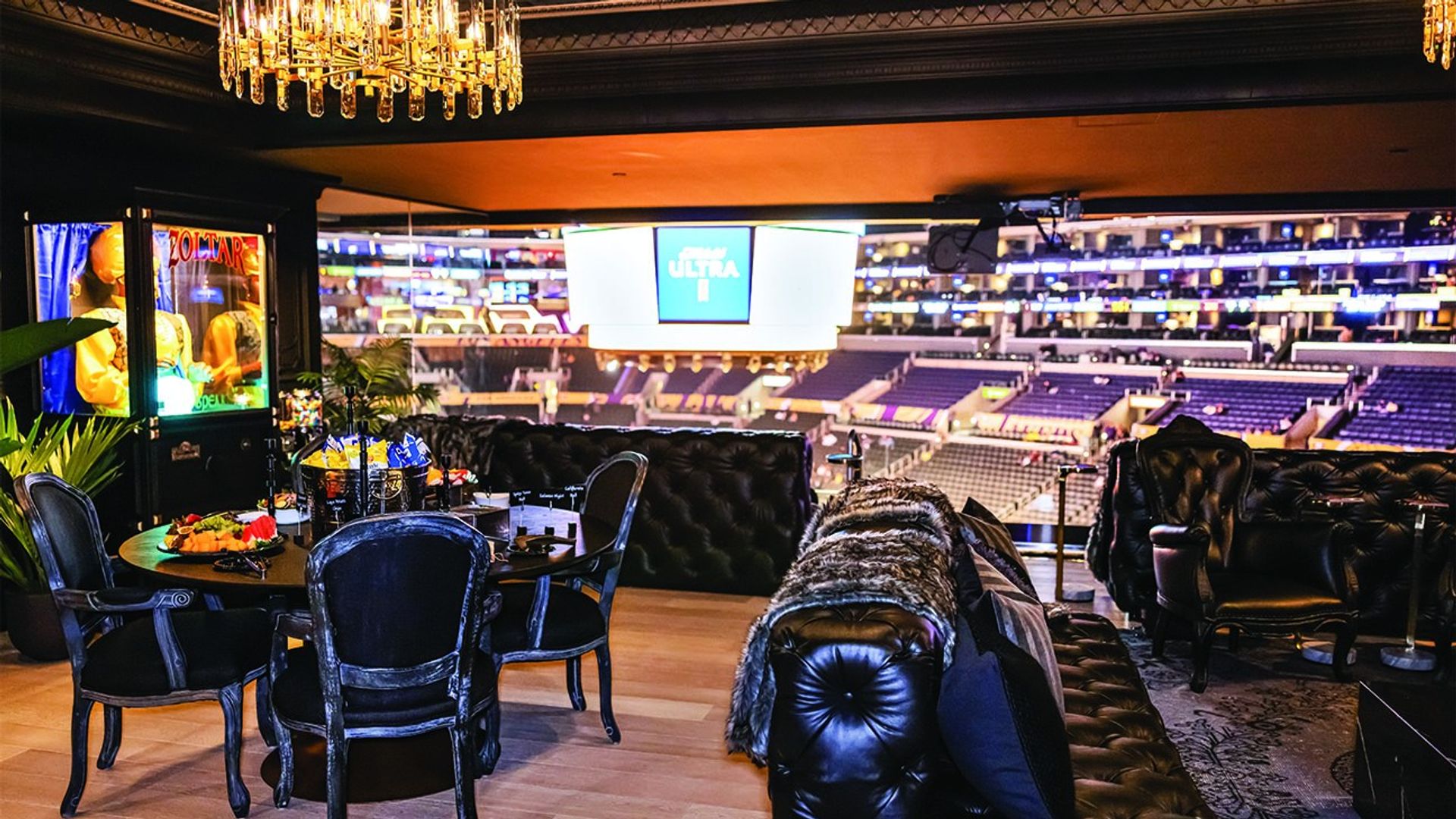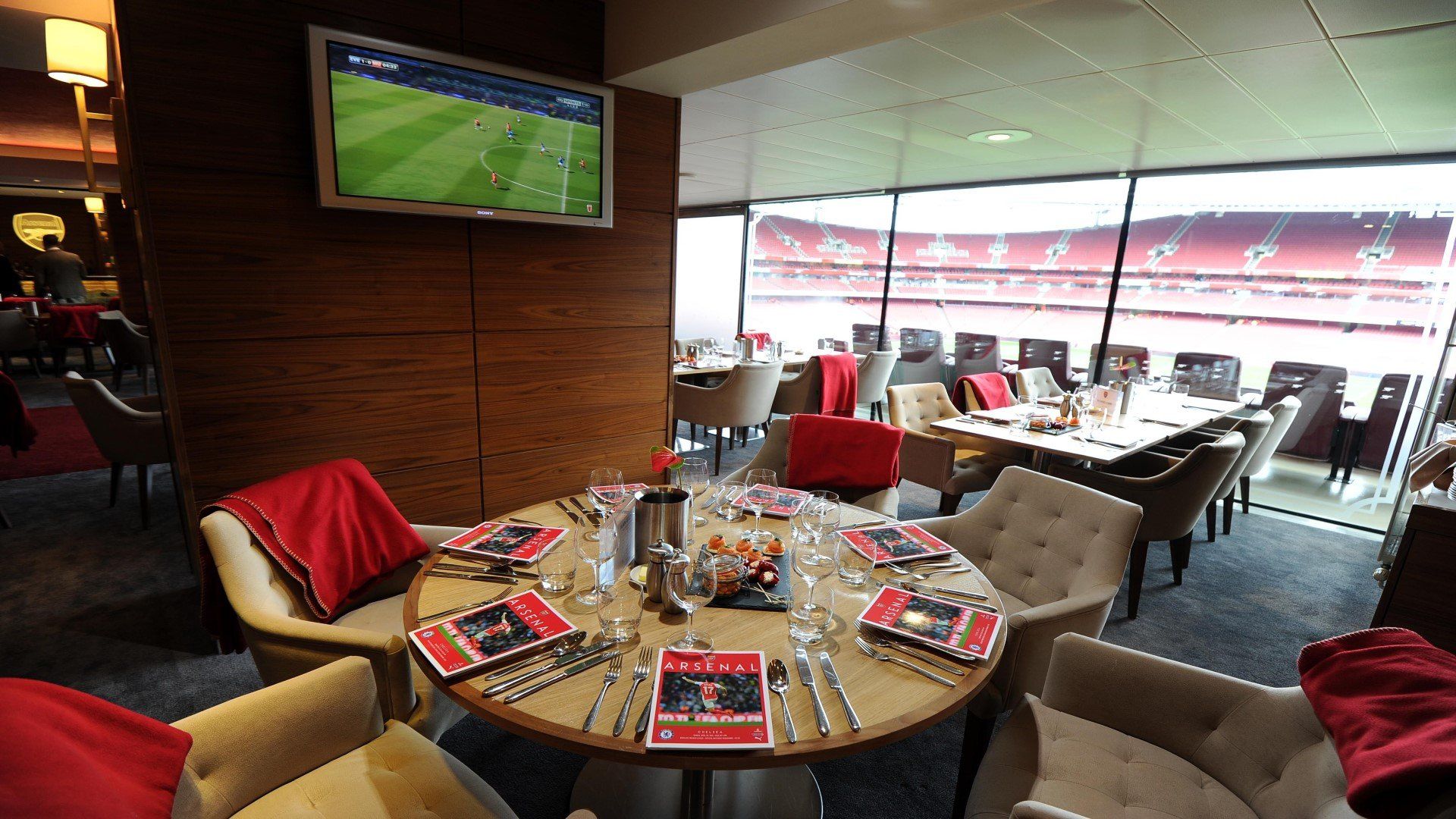

B2B sports travel has reached an inflection point. The traditional model of standard seats and hospitality suites no longer delivers the competitive edge corporate buyers demand. Executives are pivoting toward something far more valuable: experiential packages that transform guests from spectators into insiders.
The shift is being driven by a fundamental change in how businesses measure return on hospitality investment. Access alone is no longer the currency. Memory is.
The Death of the Generic Package
For decades, corporate sports hospitality followed a predictable formula: transport, tickets, meal, bar. The experience was comfortable but forgettable. Clients attended dozens of similar events each year, and few left a lasting impression.
The pandemic accelerated what was already becoming clear: if you are investing five or six figures in client entertainment, the experience must be differentiated, shareable and aligned with your brand narrative. Generic packages simply cannot deliver that.
Today’s B2B sports travel buyers are asking different questions:
- Can we access areas the public never sees? Pit lanes, dressing rooms, media zones.
- Can our clients meet the athletes? Not staged meet-and-greets, but genuine interaction.
- Can we create content our guests will share? Moments that extend the value beyond the event itself.
- Can the experience reflect our corporate values? Sustainability, innovation, performance culture.
The answer, increasingly, is yes, but only if you move beyond standard ticketing.
What Experiential Packages Actually Include
Behind-the-scenes client entertainment is not simply adding a paddock tour to an existing hospitality package. It requires rethinking the entire journey.
At Formula 1 events, experiential packages now include pre-race garage access, engineer briefings, and post-qualifying debriefs with team principals. Guests do not just watch the race; they understand the strategy, the technology, the split-second decisions that determine outcomes.

In rugby, packages offer tunnel walks alongside players, access to warm-up areas, and post-match analysis sessions with coaching staff. The Emirates Dubai 7s has pioneered this approach in the region, creating tiered experiential options that allow corporate buyers to curate the exact level of access their objectives require.
UFC events, particularly UFC Abu Dhabi, have taken this further, offering backstage credentials, weigh-in access, and fighter meet-and-greets that transform a sporting event into an immersive brand experience.
The ROI Shift: From Attendance to Advocacy
The economics of B2B sports travel are changing. Experiential packages command premium pricing, but they deliver measurably different outcomes.
Traditional hospitality generates goodwill. Experiential packages generate advocacy.
When a client spends three hours in a Formula 1 paddock, meeting engineers and understanding the technology, they do not just remember your brand; they tell the story. That narrative extends across their organisation, their network, their social channels. The return multiplies.
Senior hospitality buyers now track metrics beyond attendance: social media mentions, post-event engagement, client retention rates tied to specific experiences. The immersive entertainment experiences market is redefining how businesses attract, engage and retain customers in physical venues, with behind-the-scenes access increasingly recognised as a driver of deeper client engagement compared to standard hospitality offerings.
Why the UAE Market is Leading This Shift
The GCC has become the global laboratory for experiential B2B sports travel. The region hosts world-class events, including the Abu Dhabi Grand Prix, Dubai World Cup, and Abu Dhabi HSBC Championship, and corporate buyers here expect innovation, not tradition.
Local agencies have responded by building relationships that unlock genuine access. It is not enough to have tickets; you need partnerships with rights holders, venues, teams and athletes that allow you to deliver experiences impossible to replicate through standard channels.
At ES Sport, this means working directly with event organisers and commercial teams to design bespoke packages that align with specific corporate objectives. A financial services client hosting wealth management prospects requires a different experience than a technology company entertaining innovation partners. The sport is the platform; the experience is tailored.
Building Packages That Actually Deliver
Not all experiential packages are created equal. The market is seeing a flood of agencies promising behind-the-scenes access without the infrastructure to deliver it reliably.
Genuine experiential B2B sports travel requires:
- Direct relationships with rights holders, not third-party resellers
- Operational expertise in managing logistics, credentials, timing and contingencies
- Cultural fluency, understanding both the sport and the corporate environment
- Scalability, delivering consistent experiences for groups from eight to 800
The best packages are co-created with the client, not selected from a brochure. They begin with objectives (what does success look like) and work backward to design the experience that delivers it. Professional sports and event travel specialists bring essential fan market expertise and established relationships that unlock access unavailable through conventional channels.
The New Standard
B2B sports travel is not abandoning hospitality. It is elevating it.
The ticket remains essential, but it is now the foundation rather than the entirety of the offering. Experiential packages layer access, insight and interaction onto that foundation, creating moments that resonate long after the final whistle.
For corporate buyers evaluating their 2025 entertainment calendars, the question is no longer whether to invest in experiential packages. It is whether you can afford not to.