
The autumn 2026 sports calendar presents a strategic window for corporate travel planners. Between late September and December, the global sporting landscape delivers a concentrated run of marquee events across four continents, each offering distinct client hosting opportunities with vastly different commercial profiles.
For organisations mapping out their Q3 and Q4 entertainment strategy, this guide identifies the fixtures worth blocking calendar time for now.
September: The Season Resets
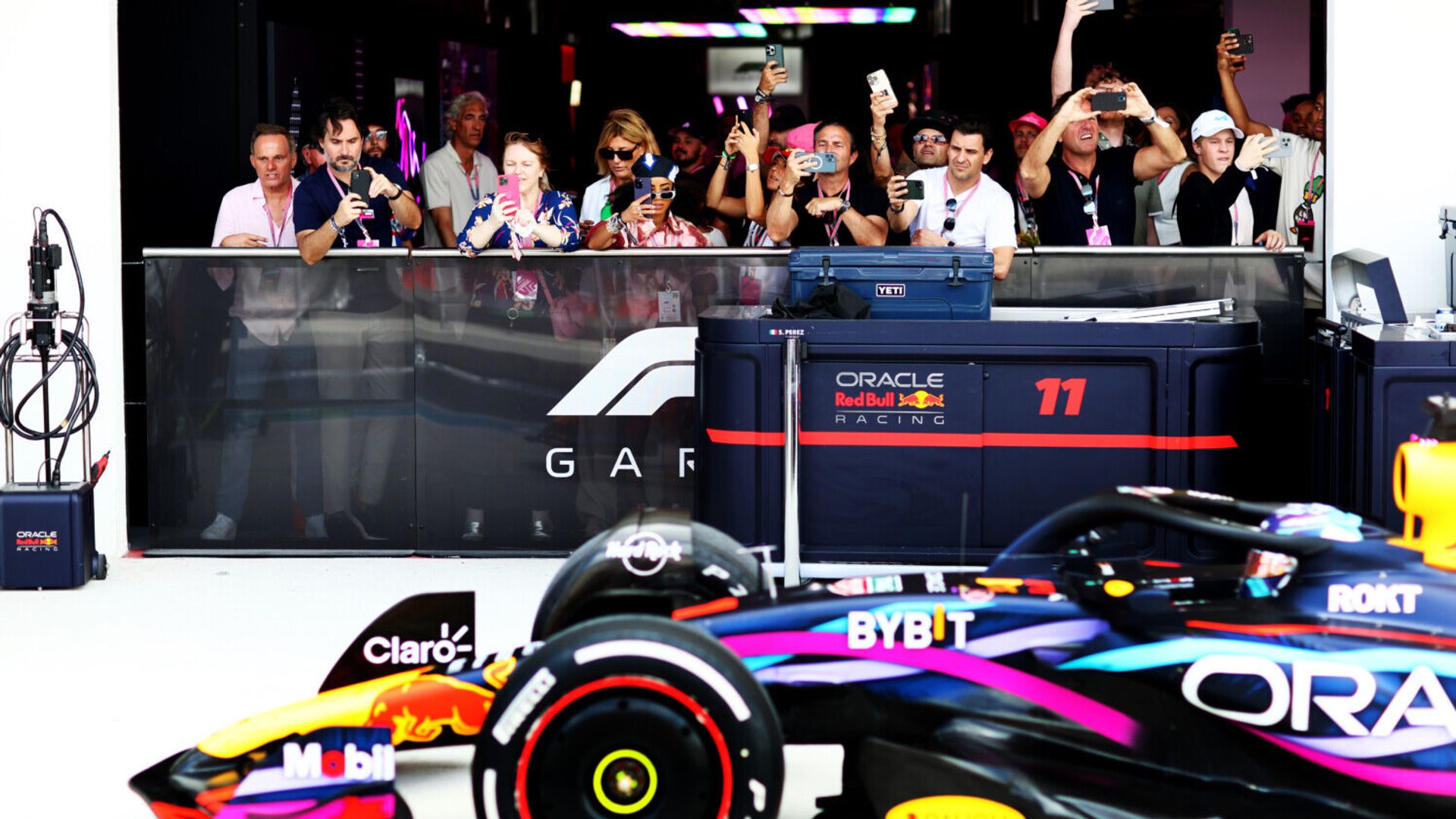
Late September marks the convergence point where summer tournaments close and winter leagues accelerate. The Formula 1 season enters its final third, with Singapore’s night race typically scheduled for mid-September, a weekend that combines on-track drama with one of Asia’s most sophisticated hospitality infrastructures.
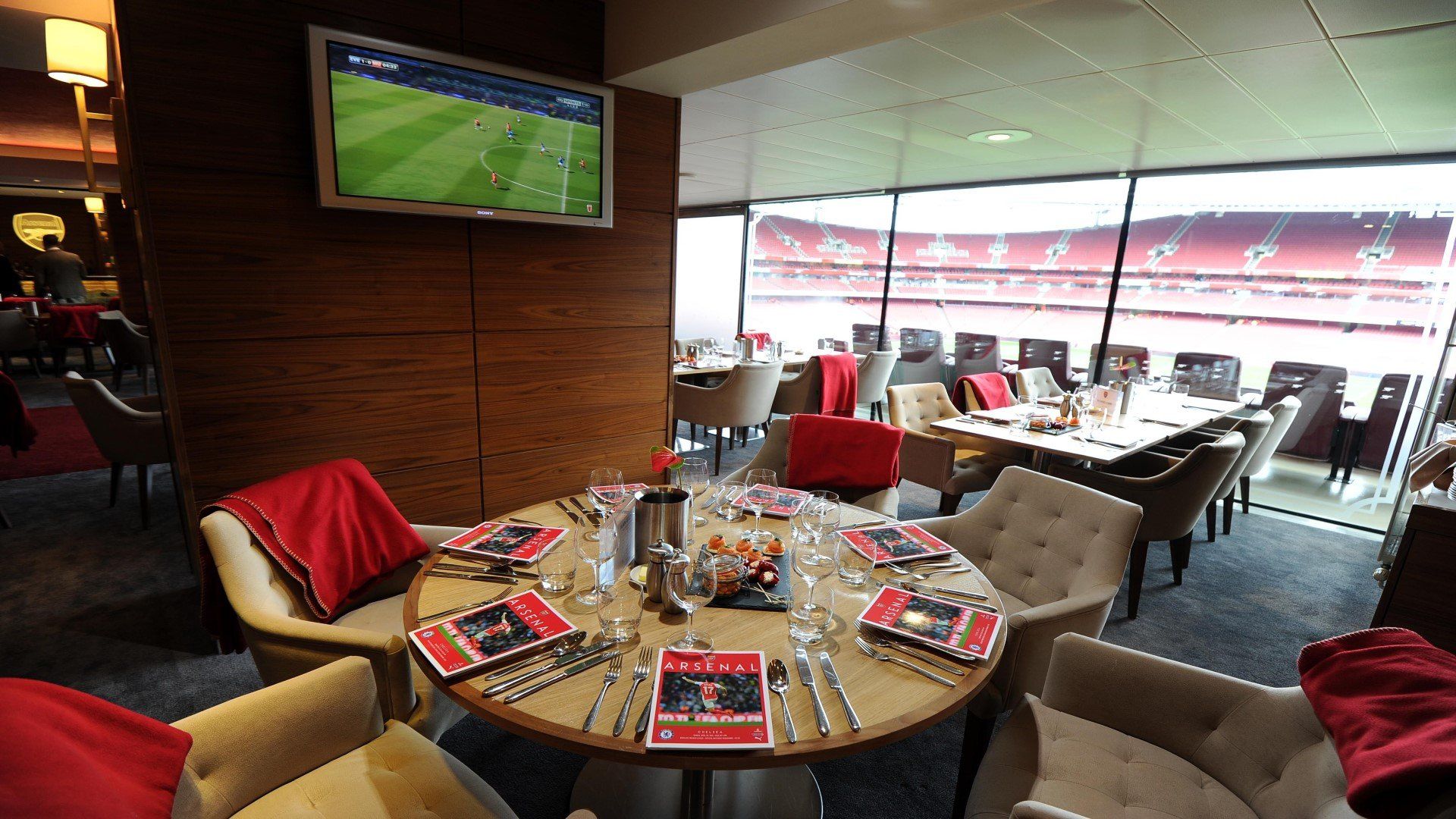
European football’s group stages hit peak intensity. The UEFA Champions League delivers midweek fixtures that allow for Tuesday or Wednesday hosting without disrupting the working week. Domestic leagues across England, Spain, Germany and Italy are sufficiently advanced that form lines become readable, making match selection more strategic.
The Ryder Cup, scheduled for late September 2026 at an as-yet-confirmed European venue, represents the period’s standout corporate hospitality events opportunity. Three days, team format, and a tournament structure that allows guests to experience multiple matches across a single day.
October: Rugby and Racing Dominate
October belongs to rugby union in the northern hemisphere. Autumn internationals bring southern hemisphere giants (New Zealand, South Africa, Australia, Argentina) to European venues. These fixtures traditionally fill Twickenham, Murrayfield, the Aviva Stadium and Stade de France, with hospitality packages that emphasise tradition and post-match access.
For UAE-based planners, October’s European internationals offer alternative client hosting opportunities for organisations with UK or European stakeholder bases, complementing the region’s own sporting calendar later in the year.
Horse racing’s autumn classics provide a contrasting hospitality model. Arc weekend at Longchamp, the Melbourne Cup carnival, and Champions Day at Ascot each deliver high-quality environments built around a single race rather than sustained competition. Shorter dwell time, higher production values, fashion-forward dress codes.

November: Formula 1’s Middle Eastern Finale
The autumn 2026 sports calendar reaches its commercial peak in November. Formula 1’s season-closing sequence moves through Brazil and Qatar before concluding in early December. The Abu Dhabi Grand Prix at Yas Marina Circuit, scheduled for 3–6 December 2026, offers unmatched proximity for GCC-based corporate travel planners.
Abu Dhabi’s three-day format (practice, qualifying, race) allows for tiered hospitality strategies. Full weekend packages for key accounts, race-day-only access for broader stakeholder groups, or post-race concert experiences that extend engagement beyond the chequered flag.
November also marks the start of the NBA and NHL seasons hitting their rhythm. For organisations with North American interests, these domestic leagues offer high-frequency hosting options across multiple cities, though logistical complexity increases with transatlantic corporate travel coordination.
December: Year-End Spectacle
December compresses the calendar. Football’s domestic schedules intensify: Boxing Day fixtures in England, the Bundesliga’s winter run, La Liga’s pre-Christmas programme. Midweek European competition continues. The month favours local or regional client hosting opportunities rather than long-haul corporate travel.
The FIFA Club World Cup, expanded and repositioned in recent years, may fall within this window depending on final scheduling. If so, it represents a unique proposition: a genuine world championship played in a compact timeframe, often in a single host nation.
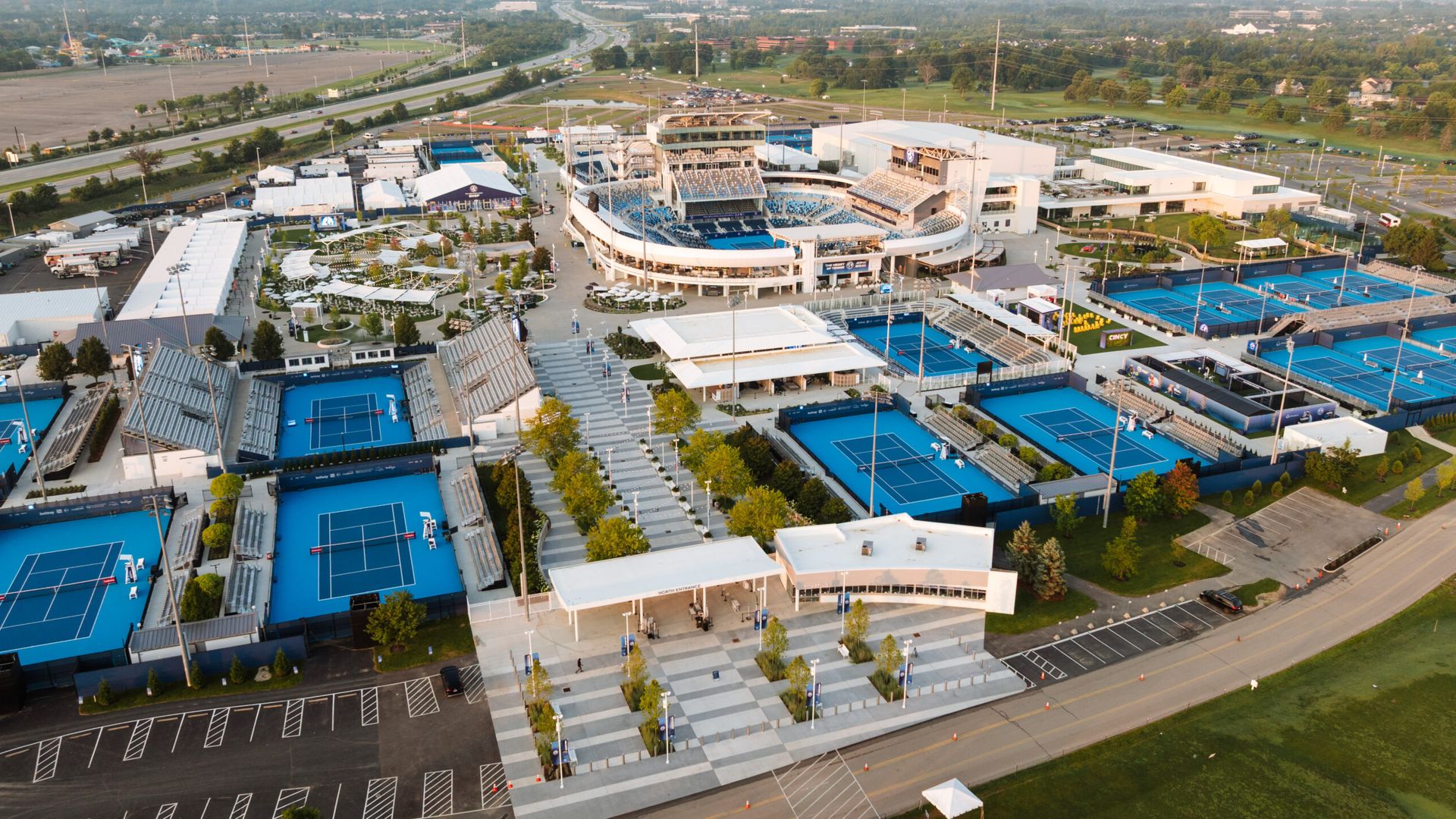
For sports experiences in the GCC, December aligns with the region’s peak season. The Emirates Dubai 7s, scheduled for 28–30 November 2026, anchors a dense local calendar that includes various tennis and golf tournaments, minimising travel logistics while maximising brand exposure.
Strategic Considerations for Planners
Effective use of the autumn 2026 sports calendar requires matching event profiles to business objectives. Consider these variables:
- Dwell time: Golf and rugby offer 4–6 hour hosting windows; football and F1 are shorter, more intense experiences
- Conversation environments: Cricket and golf facilitate extended dialogue; basketball and ice hockey are high-energy, shorter-form
- Brand alignment: Does your organisation’s positioning match the sport’s commercial values and demographic profile
- Logistics: Single-city events simplify planning; touring competitions like F1 or tennis require more complex coordination
- Exclusivity: Smaller venue capacities and limited hospitality inventory increase perceived value but require earlier commitment
Booking Windows and Lead Times
Formula 1 hospitality packages typically require 12–18 month lead times for preferred locations. Ryder Cup and major rugby internationals follow similar timelines. Football’s flexibility (multiple fixtures per week across numerous venues) allows for shorter booking windows, though derby matches and Champions League knockout rounds command higher pricing regardless of notice period.
Corporate travel planners mapping Q3 and Q4 strategies should prioritise anchor fixtures now, building flexibility around secondary events as the calendar clarifies and business priorities evolve. The autumn window rewards early commitment but punishes inflexibility.
The Commercial Rhythm of Autumn Sport
What distinguishes the autumn 2026 sports calendar from other periods is density without saturation. Unlike summer’s tournament concentration or winter’s weather vulnerabilities, late Q3 and Q4 deliver consistent, high-quality inventory across multiple sports and geographies. For organisations treating client hosting opportunities as strategic relationship tools rather than transactional entertainment, this period offers unmatched variety within a compressed timeframe.
The autumn rhythm also aligns with corporate planning cycles. Budgets are confirmed, annual targets are visible, and year-end relationship reinforcement becomes commercially logical. Sport simply provides the environment where those commercial objectives can unfold naturally.