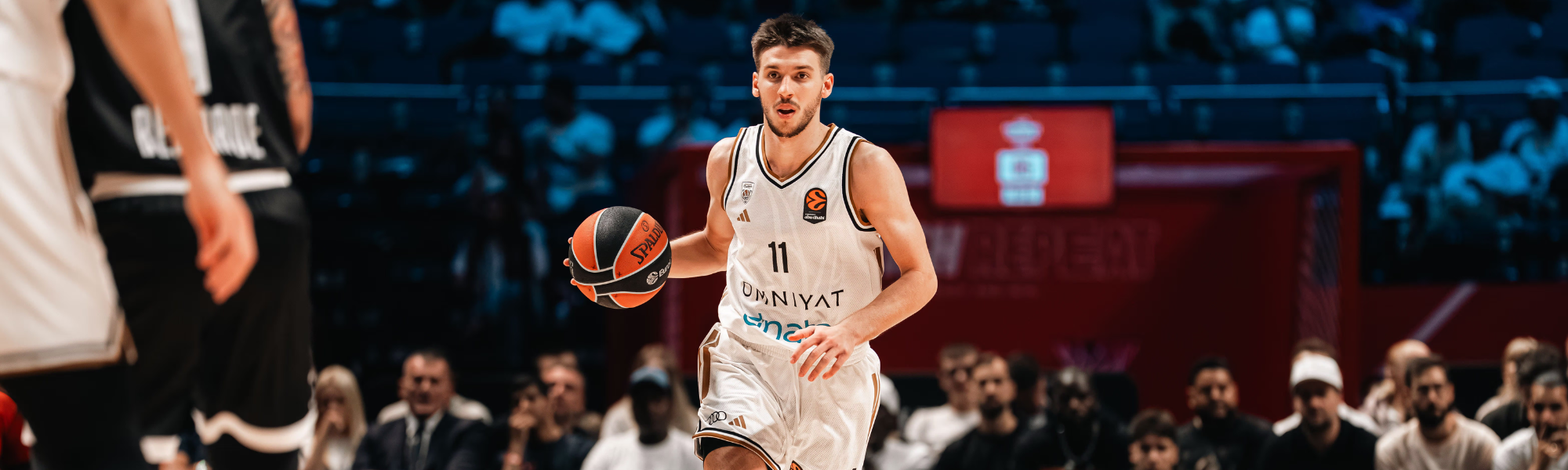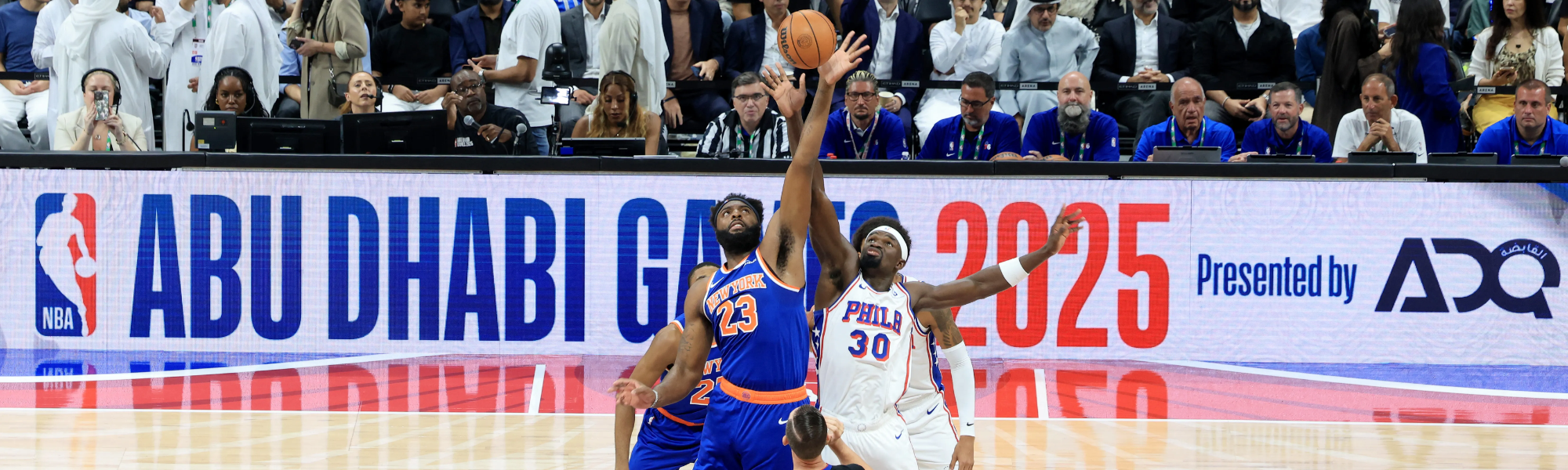

The 2025–26 EuroLeague season has brought a quiet kind of chaos. With the league now expanded to 20 teams and talent spread more evenly than ever, the traditional hierarchy is being called into question. Several of Europe’s biggest clubs have faltered in the opening rounds, unable to assert dominance in a landscape that feels less settled with each passing week.
In their place, a new wave of challengers is emerging. Teams once considered outsiders are now serious threats. Others, making their EuroLeague debuts, are punching well above their weight. This is not simply a slow start for the old guard. It is a power vacuum. The question is no longer who can win, but who can still claim elite status.
The Fall of Familiar Giants
Real Madrid: Still strong, but no longer untouchable
Real Madrid remains a giant in name and pedigree, but their form tells a more complex story. At home, they have been as solid as ever. Away from Madrid, it has been a different picture. They have struggled to put together consistent performances on the road, revealing a team that lacks the aura of inevitability we have come to expect.
As of late October, they were unbeaten at home and winless away, a pattern that is difficult to ignore. Analysts have described the team as “Jekyll and Hyde”, with flashes of brilliance giving way to costly lapses. Madrid still has the talent to compete for titles, but their stranglehold on the top tier feels looser than in years past.
Barcelona: Searching for stability
Barcelona, too, are in unfamiliar territory. Injuries and key departures over the summer have disrupted their rhythm. The pieces are all there, but the chemistry is still building. The team remains dangerous, but vulnerable. Without a consistent run of performances, they risk falling further behind.
They have shown glimpses of their usual intensity, but too often those moments come in isolation. If they are to challenge for the Final Four, they need not only good players, but a clear identity, something that has eluded them so far this season.
Panathinaikos: From defending champions to early questions
Panathinaikos returned to the top of European basketball last season with a thrilling championship run. This year, they began with optimism and expectation. However, early signs suggest the road back to the summit will be more difficult than anticipated.
Front-court injuries have disrupted their rotations. Bench depth has been tested. Opponents no longer treat them with the same fear. They remain dangerous, especially in high-pressure games, but they do not yet look like the finished article.
Why the Balance Has Shifted
This is not simply a matter of a few teams having slow starts. Several broader forces are reshaping the EuroLeague’s competitive balance.
Player turnover has been high across the board. Top-tier teams have seen key names depart for the NBA or rival clubs. The 38-round format, longer and more demanding, has exposed thin squads and forced coaching staffs to dig deeper into their benches earlier than usual.
The expanded league has also increased competition. The gap between the best and the rest is narrower. There are now ten or twelve teams capable of beating anyone on their day. The power centres are no longer confined to Madrid, Athens and Istanbul.
Tactically, the game is changing. Post play is down across the league. Offences are more perimeter-focused. Rotations are tighter. The role of specialists has increased. Some of the older clubs have struggled to adapt to this shift, while others are thriving because of it.
The New Guard Steps Forward
Olympiacos: Organised, balanced and dangerous
Olympiacos have made an early statement of intent. With a strong core and a tactical clarity that has served them well, they have begun the campaign with purpose. At one stage, they topped the power rankings with a 4–2 record, built on team defence and versatile scoring.
Their roster has stayed largely intact, giving them continuity at a time when many clubs are still searching for cohesion. Coach Georgios Bartzokas appears to have found the right balance between experience and youth, aggression and control.
Hapoel IBI Tel Aviv: The surprise package
Hapoel Tel Aviv, making their EuroLeague debut, have been one of the season’s most refreshing stories. With a 5–1 start in the early stretch, they have gone from unknown to contender almost overnight.
They play fast, fearless basketball. Their guards are dynamic, their wings are active, and their belief is contagious. Whether they can sustain this pace across the full season remains to be seen, but for now, they are proving that reputation counts for little in this new EuroLeague.
AS Monaco: Ready to finish the job
Monaco reached the semifinals last season and have carried that momentum into the new campaign. Their defence is sharp, their perimeter play efficient, and their game management astute. With a blend of veterans and emerging talent, they look ready to push deeper than before.
The rotation runs deep, roles are clear, and belief runs through the squad. In a season where unpredictability reigns, such stability matters.
Dubai Basketball: A newcomer shaping the league’s future
Dubai Basketball have arrived in the EuroLeague with confidence and intent. Their entry into the competition brought curiosity across Europe, yet their early performances have replaced speculation with respect. They play with energy and discipline, and their approach fits the broader tactical evolution of the league. Ball movement is sharp, their spacing is well organised, and their perimeter play allows them to remain competitive against teams with longer EuroLeague histories.
What stands out most is their poise. Even in tight finishes, they have kept structure and belief, an uncommon trait for a debutant side. Their recruitment has blended international experience with emerging talent, and the coaching staff have shaped a style that suits the modern EuroLeague rhythm. With strong support behind the project and a clear sense of direction, Dubai are positioning themselves as part of the league’s new guard. They are learning quickly and improving each round, and if that trajectory holds, they will be part of the conversation far sooner than many expected.
Virtus Bologna: Back from the shadows
Virtus Bologna may not yet be a top-three side, but they are returning to relevance. After a disappointing run last season, they have rediscovered rhythm under new coaching. Early wins against strong opponents have lifted morale and reminded Europe that Bologna know how to compete.
There is still work to be done, particularly on the defensive end, but their trajectory is upward.
What Comes Next?
The season is still young, but patterns are emerging. The question now is whether this is a temporary wobble for the traditional powers or a long-term shift in where EuroLeague strength resides.
For the rising teams, consistency is the challenge. Winning in October and November is one thing. Doing it in April with a play-off place at stake is something else entirely.
Injuries will shape the second half of the campaign. Teams with deep benches and resilient structures will have the edge. Travel fatigue and tight scheduling will test every squad. The teams that manage their players wisely, both physically and emotionally, will thrive.
Tactically, the league is evolving. The older inside-out structures are giving way to motion-heavy, guard-driven systems. Clubs that adapt quickly and recruit around versatility will benefit.
Conclusion
The EuroLeague is in flux. The power vacuum left by struggling giants has created room for new contenders to rise. Real Madrid, Barcelona and Panathinaikos remain capable of a resurgence, but they are no longer alone at the top. Their place among the elite must now be earned, not assumed.
Olympiacos, Monaco and Hapoel Tel Aviv have already shown that. Virtus Bologna and Dubai Basketball are pushing into that space as well. With so much still to play for, no team can take anything for granted.
The future of European basketball is being shaped one possession at a time, not in boardrooms or trophy rooms, but on courts across the continent.
Experience Elite Basketball with ES Sport
ES Sport offers premium hospitality for the world’s biggest sporting events, giving fans access to luxury surroundings, outstanding service and exceptional views of the action. Whether you are entertaining clients or treating yourself to a world-class sporting experience, our curated packages allow you to enjoy the drama and intensity of top-level basketball from the best vantage points.
Explore current hospitality options and upcoming opportunities at ES-Sport.ae.