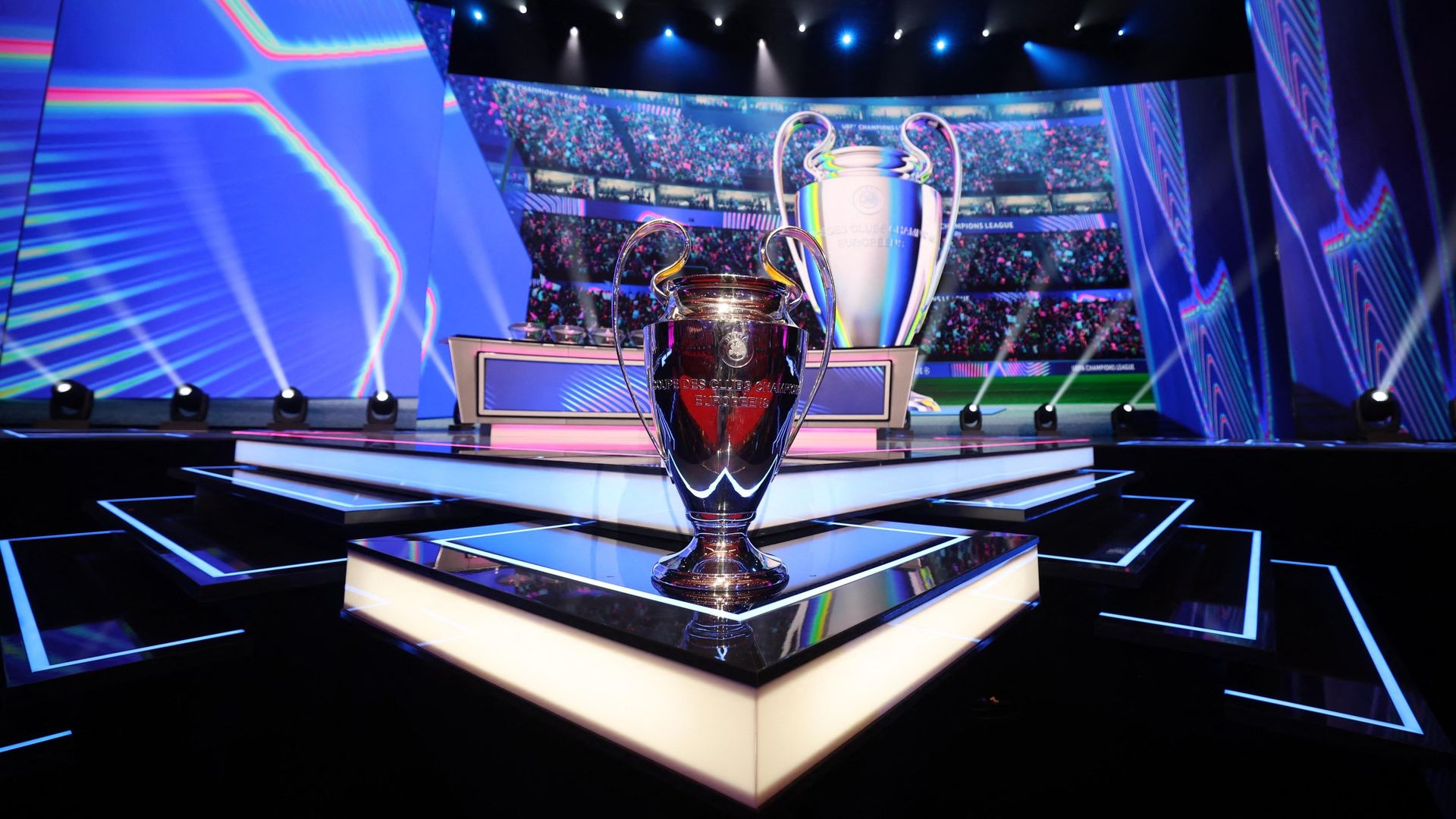

The expanded UCL single-table format made its debut across European football’s grandest stages, and the opening round delivered exactly what UEFA promised: more matches, more jeopardy, and significantly more complexity for the continent’s heavyweights. Gone is the cosy predictability of four-team groups. In its place sits a 36-club league phase where every point carries weight across eight fixtures, and where the margin between automatic qualification and playoff purgatory could be a single goal.
The New Arithmetic of European Ambition
Under the expanded Champions League format, clubs face eight different opponents, four at home and four away, drawn from seeded pots. The top eight finishers in the single table advance directly to the round of 16. Places nine through 24 enter a two-legged playoff, creating a knockout route for mid-table finishers that didn’t exist under the old group system.
This isn’t simply expansion for expansion’s sake. It fundamentally alters risk calculus. A slow start no longer means clawing back ground within a contained group of three rivals. It means navigating a league table where 35 other clubs are competing for the same finite slots, and where fixture congestion becomes a strategic variable as much as a physical one.
Winners and Losers After Matchday 1
Early evidence suggests the format rewards depth and tactical flexibility over peak performance alone. Consider the opening round’s narrative threads:
- Bayern Munich and Real Madrid both secured victories, but neither looked entirely comfortable. The knowledge that seven more varied opponents await appeared to temper their usual dominance.
- Manchester City clinical in dispatching their opening fixture, already signalling the squad rotation Pep Guardiola will need to navigate domestic and European commitments simultaneously.
- Milan and Atlético Madrid both dropped points in matches they would historically have been expected to control within a group setting. That early slip could prove costly across 36 clubs.
- Surprise packages clubs from smaller leagues who secured shock results now sit level on points with European royalty, at least temporarily disrupting the established hierarchy.

The Fixture Congestion Conundrum
Eight league-phase matches, up from six, arrive on top of expanded domestic cup competitions and the Club World Cup. For elite squads competing across multiple fronts, squad management becomes the invisible battleground. Clubs with genuine depth across 20-plus players hold a structural advantage. Those relying on a core XI will struggle.
This is where the format’s commercial logic reveals itself. UEFA’s expanded tournament generates more broadcast inventory and more matchday revenue. But it also privileges the wealthiest clubs, those capable of carrying bloated squads without financial strain, while smaller qualifiers face the prospect of burnout before Christmas.
What This Means for the European Football Elite
The expanded UCL single-table doesn’t just test squad depth. It tests institutional strategy. Clubs must balance:
- Rotation risk rest key players and risk dropping points that could define playoff seeding.
- Fixture prioritisation with no group safety net, every match carries playoff implications until Matchday 6 or 7.
- Opponent profiling facing eight different tactical systems rather than three repeated opponents demands broader scouting and preparation.
For clubs accustomed to cruising through group stages before turning attention to knockout rounds, this is a recalibration. The pathway to the final now begins in September, not February.
The Gulf Perspective: Lessons for Regional Ambition
The structural evolution of European football’s flagship competition offers instructive parallels for sporting organisations in the Gulf. As the UAE and wider GCC continue to position themselves as global sports destinations, hosting elite club friendlies and international tournaments, the Champions League’s format shift underscores a broader truth: elite competition requires sophisticated infrastructure, not just on the pitch but across medical, analytical and logistical functions.
For corporate decision-makers evaluating hospitality and sponsorship opportunities within European football, the expanded format creates new inventory but also new complexity. More matches mean more activation windows, but also more diluted attention across a longer season. Brands seeking association with guaranteed knockout-stage football may need to recalibrate their investment strategies: the automatic qualification threshold is now a top-eight finish, not simply group progression.
Early Verdict: Intrigue Over Clarity
One matchday offers only provisional conclusions, but the expanded UCL single-table has already delivered on its promise of unpredictability. The single-league structure compresses the competitive window and punishes complacency in ways the old group system rarely did. Whether that translates into better football or simply more football remains to be seen across the coming months.
What is clear: Europe’s heavyweights no longer enjoy the luxury of a forgiving group stage. Every match matters. Every point counts. And the pathway to the final, wherever and whenever it takes place, just became significantly more treacherous.