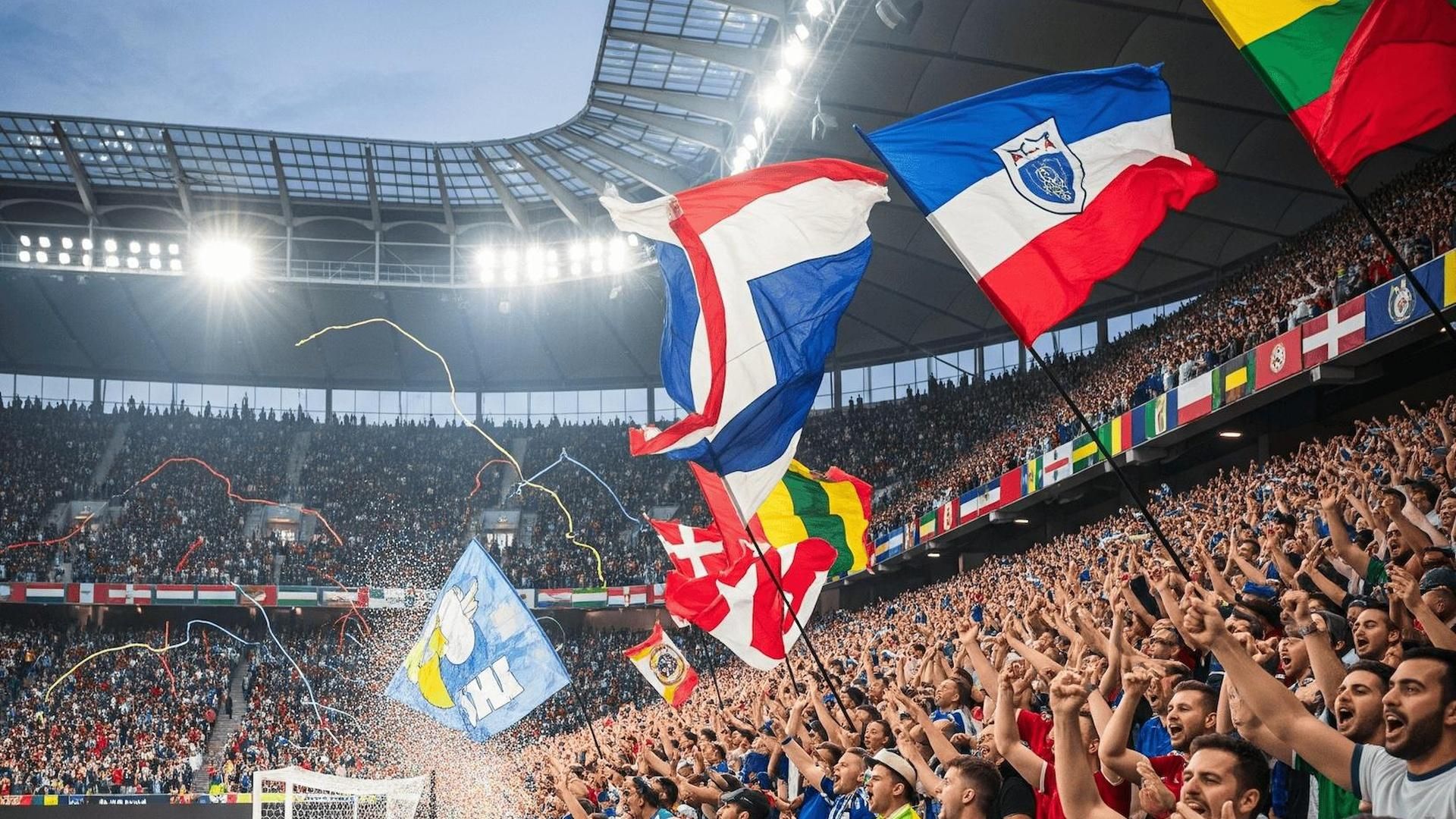

The prospect of Tyson Fury versus Anthony Joshua has tantalized British boxing fans for the better part of a decade. It would represent the pinnacle of British heavyweight boxing, a contest that transcends sport and enters cultural mythology. Both men are former unified champions. Both have defined an era.
But if and when it happens, there’s a bitter commercial reality that could force the home audience to set alarms for the early hours of the morning, potentially anywhere between 2:00 AM and 5:00 AM.
This isn’t just inconvenient scheduling. It’s the visible cost of a new economic reality in elite sport.
A Decade in the Making, Timed for Another Continent
Make no mistake about the magnitude. This would be one of the biggest fights in British heavyweight boxing history. The fight, should it be made, would sell itself.
But the commercial heavy-lifting in modern boxing increasingly isn’t being done by UK broadcasters or even traditional pay-per-view infrastructure. It’s being driven by global streaming platforms entering live sports and the immovable logic of North American prime time. To satisfy US screens and streaming metrics, ring walks for major fights land squarely in the graveyard shift for Liverpool, Manchester and London.
The mathematics are blunt. A main event scheduled for 9:00 PM Eastern Time in New York translates to 2:00 AM in the UK. Push it later to capture West Coast viewers, and British fans face a 5:00 AM alarm in Birmingham.
Streaming Economics vs. Traditional Broadcasting
This is where the sport’s centre of gravity has shifted. Traditional boxing economics were built on:
- Regional pay-per-view buys such as Sky Box Office in the UK, HBO or Showtime in the US
- Gate receipts from a sold-out arena, often in the fighter’s home market
- Broadcast windows tailored to local prime time, maximising domestic audience and sponsor value
The new model flips that hierarchy. Global streaming platforms operate on subscription scale, not individual fight buys. A platform doesn’t prioritise 50,000 PPV purchases in the UK when it can add millions of engaged viewers across North America, Latin America and Asia, all within a single subscription they’ve already paid for.
Fight scheduling becomes a function of where the largest addressable streaming audience sits. And that audience, increasingly, isn’t in Britain.

The Fan Experience Trade-Off
For British fans, the trade-off is stark. You might get the fight you’ve waited for, but you lose the communal experience that makes these nights matter. No packed pubs at 10:00 PM. No watch parties that build through the undercard. No post-fight pints dissecting every round.
Instead, it’s alarm clocks, bleary-eyed streams on tablets, and the hope you can avoid spoilers until you wake up properly. The atmosphere that turns a sporting event into a cultural moment gets sacrificed to algorithmic reach.
This isn’t unique to boxing. Formula 1 has long scheduled grands prix to suit European broadcast windows, even when racing in Asia or the Americas. The Abu Dhabi Grand Prix, for instance, has historically adjusted its local start time to accommodate key European viewing markets, a compromise that works because the commercial engine still runs through European sponsors and viewership.
What This Means for Future Mega-Fights
If this model takes hold, expect more of the same. The biggest fights will increasingly be scheduled for American streaming prime time, regardless of where the fighters are from or where the bout is held.
Major boxing promotions have already shown willingness to stage high-profile British heavyweight contests in international venues, with scheduling often influenced by the need to capture multiple global markets. The venue is a variable. The time slot is fixed.
For promoters and platforms, it’s rational. For fans in the fighters’ home markets, it’s a slow disenfranchisement. The sport becomes something you watch in isolation, on delay, or not at all.
The Broader Shift in Sports Consumption
Streaming boxing economics are just one front in a wider war over sports rights and scheduling. UEFA has faced criticism for Champions League kick-off times that prioritise broadcast deals over match-going supporters. The NFL schedules London games at 9:30 AM local time to protect the US Sunday slate.
The difference with boxing is the intimacy of the betrayal. Football is a weekly rhythm. Boxing’s biggest nights are rare, often once-in-a-generation. When a major British heavyweight fight forces the home crowd to choose between sleep and spectacle, it signals that even the sport’s most loyal constituency is now secondary to global streaming scale.
A New Reality, Not a Temporary Glitch
This isn’t a scheduling quirk. It’s the new shape of elite sport. Streaming platforms have the capital to outbid traditional broadcasters, and they optimise for global reach, not local sentiment. Major boxing matches are simply the most visible example yet.
For British fans, the choice may soon be binary: set the alarm or miss history. The fights will happen. The moments will pass. And the business model that makes them possible won’t lose a minute of sleep over who had to wake up to watch.
As sports consumption continues its shift toward global streaming models, the fan experience, particularly the communal, time-zone-specific rituals that make sport culture, becomes the cost of scale. Whether that trade is worth making depends on which side of the alarm clock you’re on.

Related Articles

Brands Disrupting Sportswear: How On, HOKA and Gymshark Outmanoeuvre Nike and Adidas