

The street circuits 2026 F1 calendar is set to become the most urban-focused in the sport’s history. With Madrid’s long-awaited debut and Baku’s expanded role, Formula 1’s championship battle will increasingly be decided on unforgiving concrete and armco rather than traditional purpose-built facilities.
Madrid Joins the Street Circuit Revolution
The Madrid Grand Prix arrives in 2026 as Formula 1’s newest street circuit, bringing the Spanish Grand Prix to the capital. The 5.414-kilometre layout features 22 corners and combines public roads with purpose-built sections, representing a fundamental shift in how the sport approaches European venues.
Unlike traditional circuits that reward aerodynamic efficiency and sustained high-speed cornering, Madrid’s tight, technical configuration prioritises:
- Mechanical grip – low-speed traction out of hairpins becomes critical
- Brake stability – repeated heavy braking zones punish inconsistency
- Driver precision – millimetre-perfect placement with zero margin for error
- Strategic aggression – overtaking opportunities limited on street circuits
The circuit has been described as reminiscent of Baku, Jeddah and Monaco in character, with its 22-corner layout creating what may be one of the most technical tracks on the calendar. This plays directly into the hands of teams that excel at street circuit setup philosophy, whilst the hybrid nature of the track will test adaptability across the grid.
Baku’s Expanded Championship Influence
Azerbaijan’s capital has evolved from calendar curiosity to championship kingmaker. The Baku City Circuit combines the longest straight in Formula 1 with claustrophobic medieval castle sections, a combination that has produced some of the sport’s most dramatic moments.

The 2026 regulations, emphasising active aerodynamics and sustainable fuels, amplify Baku’s championship significance. Teams must optimise for two contradictory demands: maximum downforce through the tight castle sections, then minimal drag for the long straight. Get the compromise wrong and you’ll haemorrhage points.
Baku has established a reputation for volatility and unpredictability. The circuit’s unique characteristics, with barriers lining the track and limited run-off areas, mean that incidents can rapidly reshape race outcomes. These aren’t anomalies but rather inherent features of street circuit racing.
The Street Circuit Skill Set
As street circuits 2026 F1 calendar expands, driver adaptability becomes the differentiating factor. The skill set required differs fundamentally from traditional racing:
Success at venues like Monaco and Singapore demonstrates the mental architecture needed. Build confidence incrementally. Trust your spatial awareness. Commit to apexes without reference points. Street circuits reward racecraft and precision, where drivers must execute without the safety net of expansive run-off areas.
Conversely, drivers who rely on multiple practice runs to find limits, or those prone to small errors compounded by concrete consequences, face exposure. The 2026 grid’s younger contingent, raised on simulator perfection, may struggle with the organic, reactive decision-making street circuits demand.
Commercial and Hospitality Implications
The shift toward urban venues reshapes Formula 1’s commercial landscape, particularly in the Gulf region. Premium F1 hospitality experiences at street circuits offer unparalleled proximity – guests witness drivers threading through barriers metres away, rather than distant sightlines at purpose-built facilities.
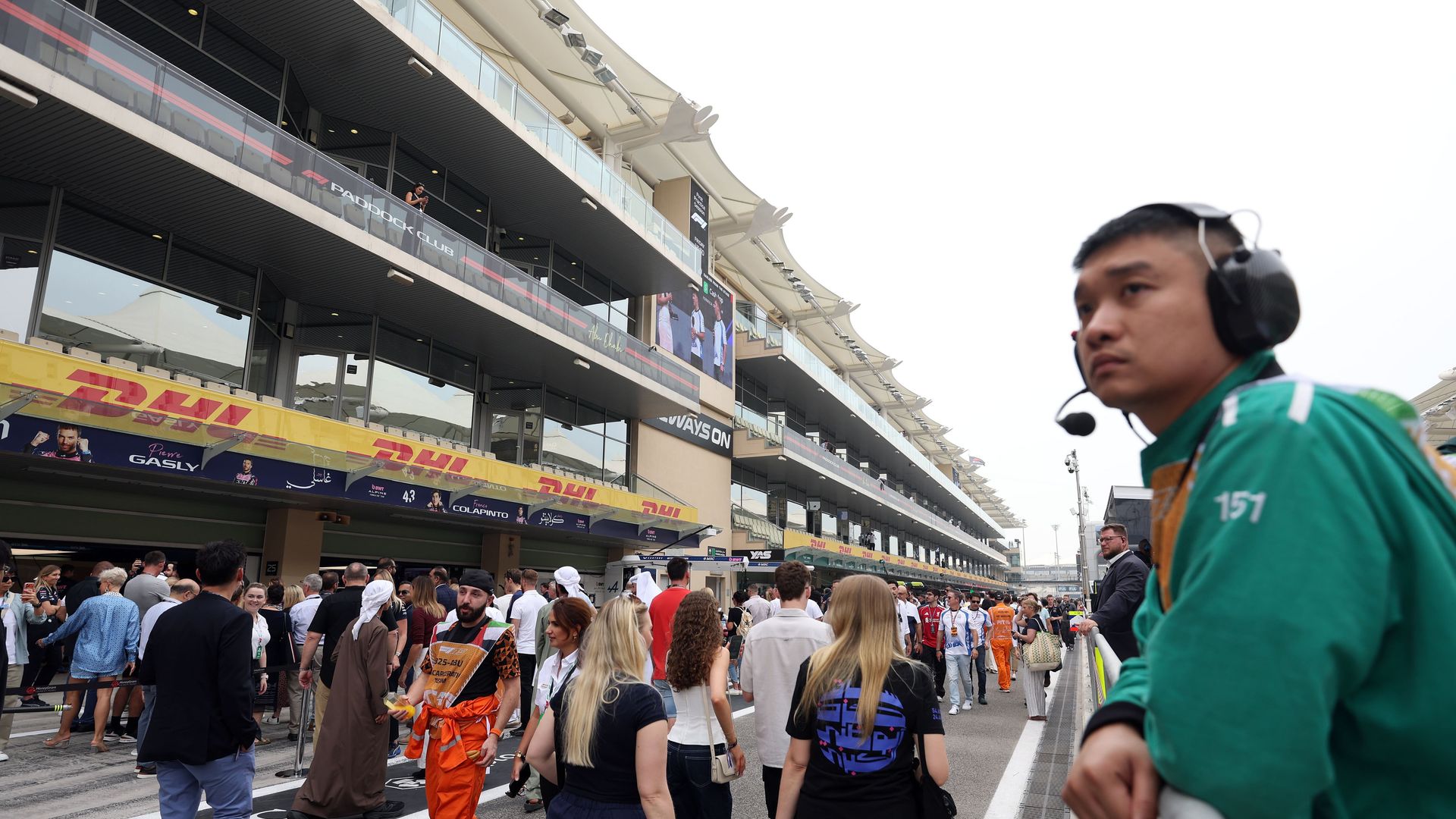
For UAE and GCC decision-makers, this trend validates the Abu Dhabi Grand Prix model: integrate racing into urban infrastructure, maximise destination appeal, and create corporate entertainment environments impossible at remote circuits. Madrid and Baku’s success will likely accelerate similar projects across the Middle East calendar.
Championship Mathematics
With Madrid added and Baku retained, street circuits will account for a significant proportion of the 23 rounds on the 2026 calendar. Monaco, Singapore, Las Vegas, and Jeddah join the Spanish and Azerbaijani venues in this category, creating multiple urban battlegrounds where championship points will be won and lost.
The implications are stark. A driver or team weak on street circuits cannot win the F1 title race. The mathematics simply don’t allow it. Even winning every traditional circuit wouldn’t offset consistent underperformance across multiple urban rounds. This forces fundamental development philosophy changes – teams can no longer optimise purely for high-speed efficiency.
The 2026 Regulations Wild Card
The convergence of new technical regulations and expanded street circuit presence creates unpredictability. Smaller, lighter cars with active aerodynamics and 50-50 power unit splits between combustion and electrical might fundamentally alter street circuit hierarchies.
Reduced dimensions could make overtaking fractionally easier at Madrid and Baku. Active aero might allow teams to solve the downforce-drag compromise more elegantly. Increased electrical deployment could provide better traction from slow corners. Or the new formula might amplify existing street circuit characteristics, making them even more processional.
What’s certain is this: the teams that decode street circuit performance under 2026 regulations earliest will establish a championship advantage that persists all season. Pre-season testing at urban-style facilities becomes essential.
Concrete and Consequence
Formula 1’s embrace of street circuits 2026 F1 calendar reflects broader entertainment and commercial priorities, but it fundamentally alters competitive dynamics. Madrid and Baku aren’t just new venues but new tests of driver skill, team adaptability, and strategic thinking.
The championship will be won by those who master the unforgiving nature of urban racing. No run-off. No second chances. Just precision, commitment, and the ability to execute under pressure where millimetres separate glory from barrier impact.
That’s the reality waiting beyond the 2026 lights.

Related Articles
Kimi Antonelli Italian Grand Prix Victory: From P19 to Monza Glory in a Mercedes 1-2


Pop Culture Meets Motorsport: How Entertainment Brands Are Transforming F1 Activations
