
Fury vs Joshua has been the white whale of British heavyweight boxing for the better part of a decade. Promised, postponed, nearly signed, then shelved again: the fight has become a case study in how not to close a deal. But as both men enter new phases of their careers, 2026 might finally be the year the stars align.
Why the Fight Has Eluded Us Until Now
The reasons are well-documented. In 2021, the bout was agreed in principle for August, only for an arbitrator to rule that Tyson Fury owed Deontay Wilder a third fight. By the time Fury dispatched Wilder that October, Joshua had been stopped by Oleksandr Usyk. When talks resumed in 2022, negotiations collapsed over commercial splits and broadcast rights: a reminder that ego and economics often matter more than legacy.
Since then, both fighters have suffered setbacks. Fury’s split-decision loss to Usyk in May 2024 cost him his unbeaten record and the undisputed crown. Joshua, meanwhile, has rebuilt his reputation with wins over Jermaine Franklin and Robert Helenius, but remains outside the elite tier occupied by Usyk and the emerging Sky Sports generation of contenders.
The 2026 Window: Timing and Leverage
Here’s why 2026 makes sense. Both men will be in their late thirties: Fury turns 38 in August 2026, Joshua 37 in October. The urgency is real. Neither can afford another year of near-misses, and the British public’s appetite for the fight, though tested, remains enormous.
Crucially, the heavyweight landscape is shifting. Usyk may step away after his rematch obligations. Daniel Dubois and Fabio Wardley represent the next wave, but neither yet commands the global drawing power of a Fury vs Joshua clash. The vacuum creates commercial logic: this fight, even diminished from its 2021 peak, still dwarfs any alternative.

Where It Gets Made: Wembley, Riyadh, or the Middle East
Location will determine whether this happens. A Wembley Stadium showdown remains the romantic choice: 90,000 fans, a British summer night, the kind of atmosphere that makes careers. But Saudi Arabia’s Public Investment Fund has rewritten the economics of British heavyweight boxing, offering purses that dwarf anything a UK promoter can match.
Riyadh has already hosted Joshua twice and staged Fury vs Ngannou. The infrastructure, the willingness to pay, and the strategic ambition to position the Kingdom as a global sports hub make the Middle East the likeliest venue. For fans in the UAE and wider GCC, that proximity transforms the fight from a pay-per-view event into a live experience, and one that ES Sport would be uniquely positioned to deliver through premium hospitality and ringside access.
The Tyson Fury Anthony Joshua Fight: What’s at Stake
Legacy hangs in the balance. Fury, for all his brilliance, has one loss now. A win over Joshua, dominant or otherwise, cements his place as the defining British heavyweight of the era. For Joshua, the opposite is true. A victory redeems the Usyk losses and reframes his career as one of resilience, not regression.
The fight also matters commercially. British heavyweight boxing has been the most lucrative weight class in the sport for a generation, but its window is closing. Fury vs Joshua in 2026 isn’t just a fight. It’s the last chance to capitalise on a rivalry that once promised to be the biggest in boxing history.
How ES Sport Brings Fans Closer to the Action
For corporate clients and high-net-worth individuals across the GCC, live access to marquee sporting events is about more than attendance: it’s about proximity, exclusivity and experience. Whether Fury vs Joshua lands in Riyadh, Abu Dhabi or London, ES Sport’s corporate hospitality offering ensures ringside seats, pre-fight access and bespoke packages designed for the region’s most discerning sports fans.
The same expertise that delivers Formula 1 hospitality at the Abu Dhabi Grand Prix and premium experiences at the Emirates Dubai 7s applies to boxing’s biggest nights. When the bell finally rings, ES Sport ensures you’re not just watching history: you’re part of it.
Will It Actually Happen This Time
The honest answer is maybe. Both camps have burned goodwill before. Broadcasters, promoters and sponsors have learned to hedge their bets. But the fundamentals (age, opportunity cost, market demand and Middle Eastern investment) point toward 2026 as the year it finally gets done.
Fury vs Joshua won’t be the fight it might have been in 2021. But it remains the fight British heavyweight boxing needs, and the one the world still wants to see.

Related Articles
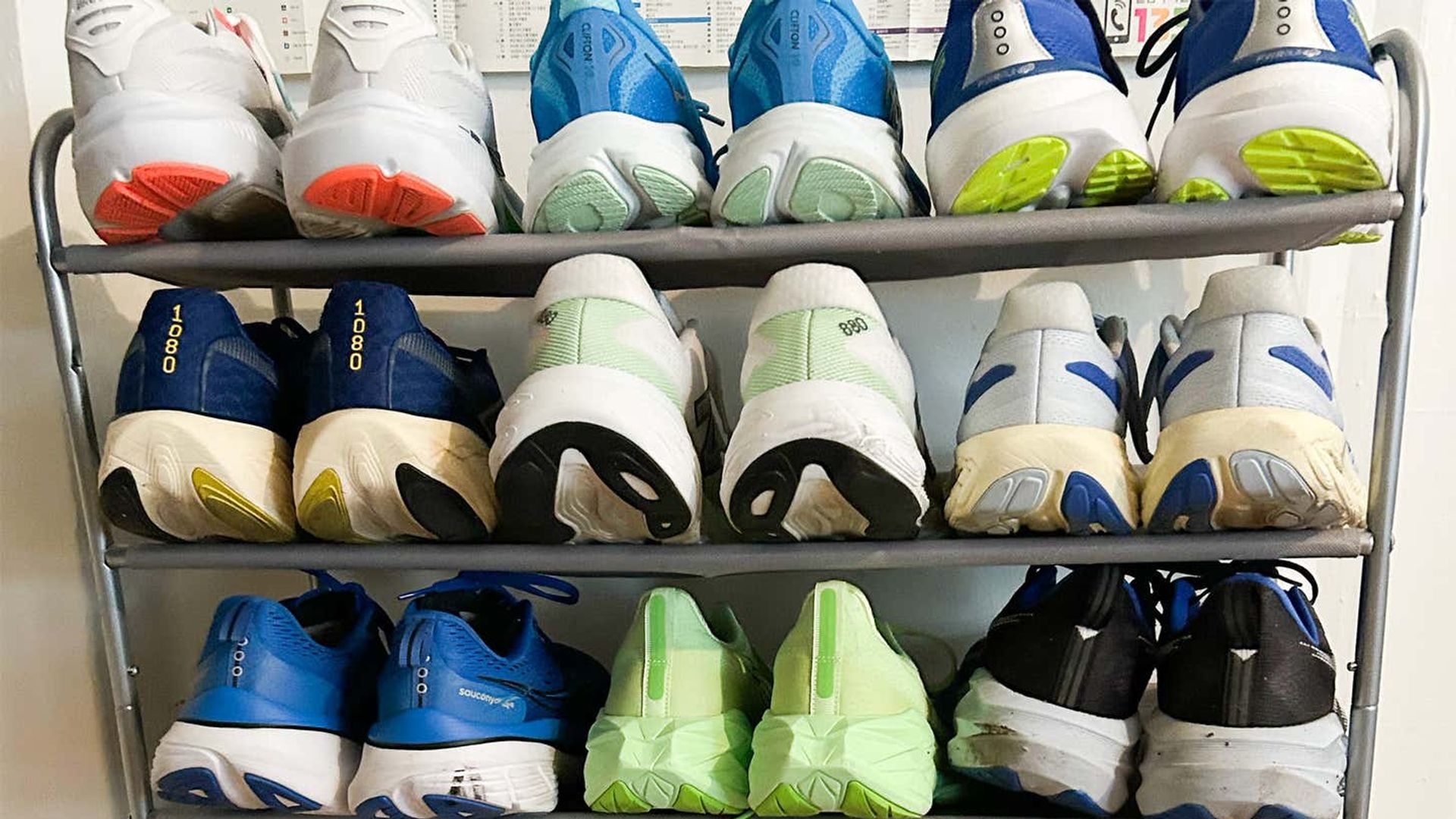
Brands Disrupting Sportswear: How On, HOKA and Gymshark Outmanoeuvre Nike and Adidas