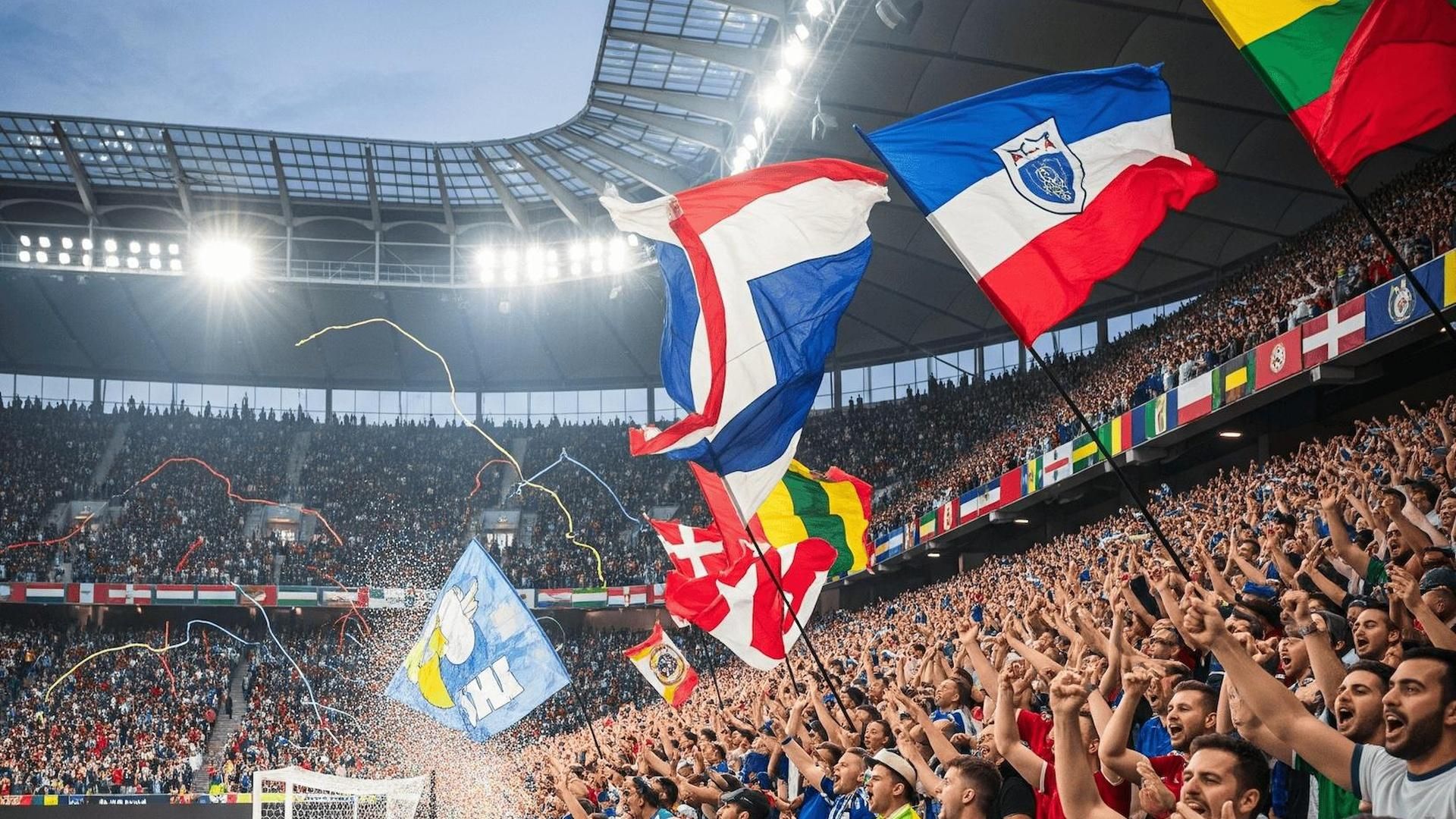

Levi’s and Gillette just gave marketers everywhere a masterclass. And the funny thing is, they did it by covering up their own logos.
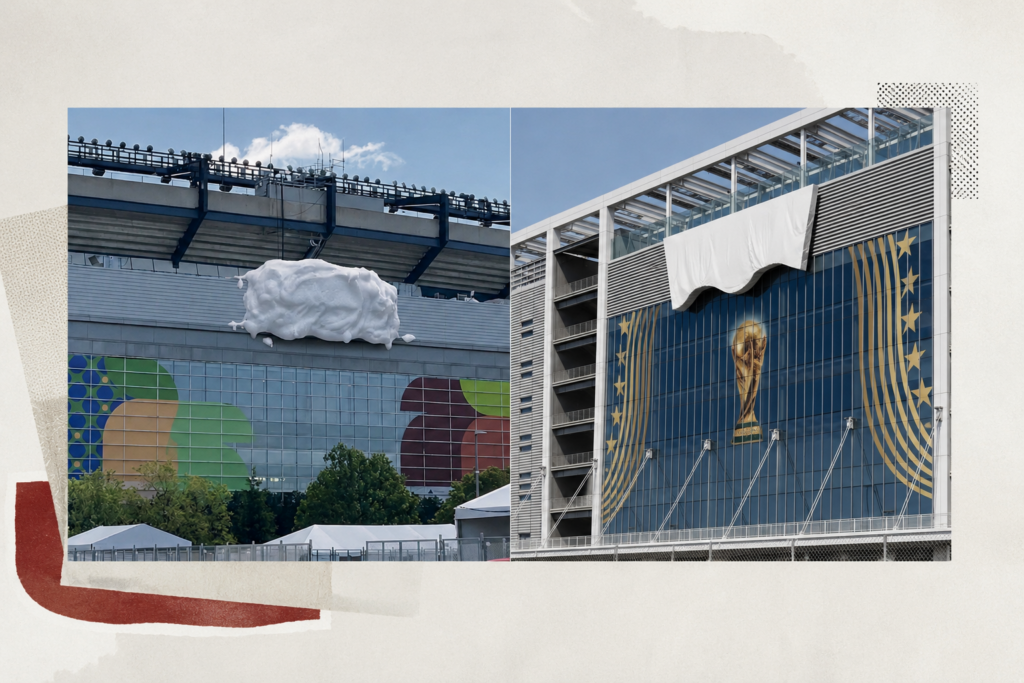
Ahead of the 2026 FIFA World Cup, FIFA’s strict “clean venue” regulations required all non-official sponsors to remove or conceal their branding inside and around host venues. That meant iconic stadium names like Levi’s Stadium and Gillette Stadium temporarily disappeared from view. Stadium signs were covered, logos were taped over, and in some cases even the smallest branded assets inside venues had to be hidden.
On paper, this should have been a loss for brands that have spent hundreds of millions on naming rights.
Instead, it became one of the smartest marketing moments of the tournament.
When hiding your logo makes your brand even stronger
Levi’s had every reason to be frustrated.
The brand reportedly invested heavily in its stadium naming rights, only to watch FIFA cover its famous red signage with giant white tarps and temporarily rename the venue “San Francisco Bay Area Stadium.”
But rather than complain, issue a corporate statement, or enter into a public battle with FIFA, Levi’s did something far smarter.
It embraced the situation.
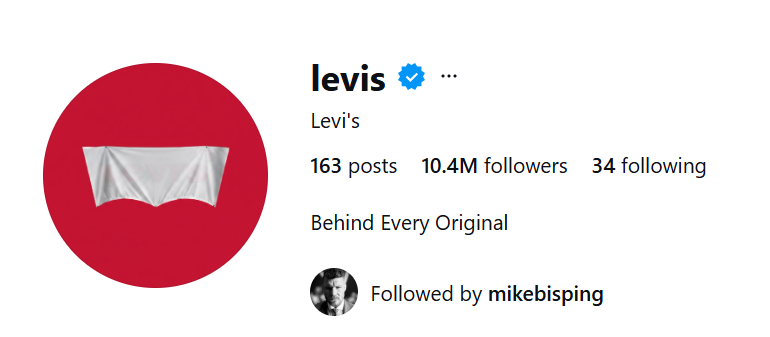
The white coverings maintained the unmistakable batwing shape of the Levi’s logo. The name was gone, but everyone still knew exactly who it was. Levi’s then leaned fully into the joke by updating its social media profile picture to the “censored” version of its logo and extending the concept to stores around the world, covering signage in cities including Paris and London.
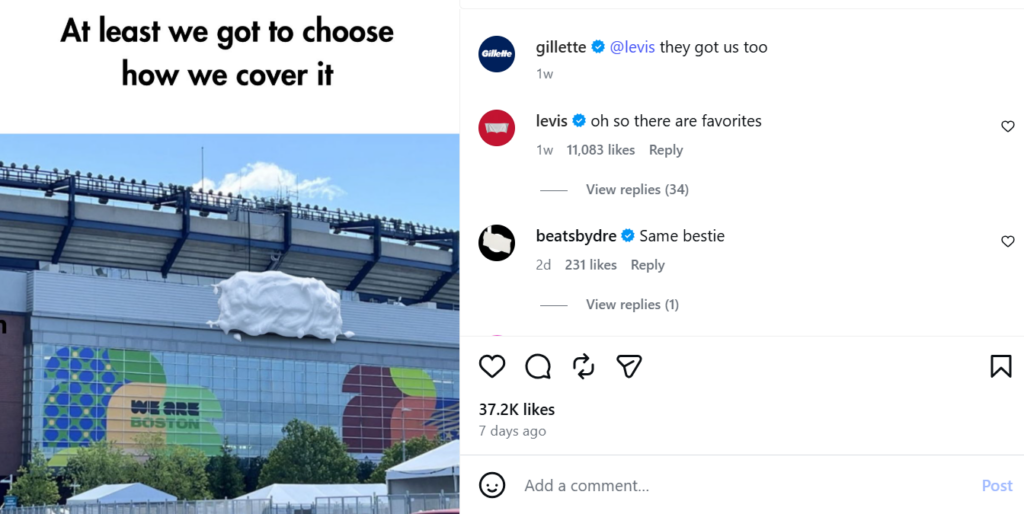
Gillette took a similar route. Rather than simply covering up its branding, the company leaned into what it knows best. The giant “Gillette” signs around the stadium were concealed using foam-like coverings, turning what could have been a bland white tarp into something unmistakably on-brand. It was a subtle but brilliant nod to the brand’s core product category. Suddenly, fans weren’t talking about FIFA’s sponsorship rules anymore; they were talking about how a shaving brand had found the most fitting way possible to hide its own logo.
The brands weren’t officially sponsoring the tournament. Yet everyone was talking about them.
But neither activation would have reached the same level without social media. Across both brands, witty comments, playful engagement and a willingness to laugh at themselves transformed a mandatory restriction into a cultural moment. Rather than acting like corporations protecting their assets, they behaved like people participating in a conversation.
That’s the difference between advertising and branding. Advertising makes people see you. Branding makes people recognize you.
And that is the real win.
Why did it work so well?
1. They didn’t fight the culture
Modern audiences can smell corporate outrage from miles away.
Imagine if Levi’s had released a stiff press statement complaining about lost exposure and sponsorship rights. Nobody would have cared.
Instead, they behaved exactly how people behave online. They joked about it. They participated in the conversation. They showed personality.
Brands today don’t just compete for impressions. They compete for relevance. Levi’s understood that being part of the internet’s joke is often more powerful than being the billboard itself.
2. They proved the power of distinctive brand assets
One of Byron Sharp’s biggest principles in marketing is the importance of distinctive assets.
Levi’s didn’t need to show its name. The silhouette alone was enough. That’s decades of brand building paying off in real time. The same applies to brands like the swoosh of Nike, or the three stripes of Adidas. You recognise them instantly.
The World Cup incident became a live demonstration of something marketers often forget: strong brands are recognised long before consumers read the logo.
3. It felt authentic
This is perhaps the biggest lesson. Nothing about the activation felt forced. There was no over-produced campaign video. No lengthy manifesto. No attempt to turn it into a purpose-driven corporate announcement.
It was simple, self-aware and light-hearted. And because it felt real, people rewarded it with attention.
Consumers increasingly gravitate towards brands that act like people rather than institutions. Humility, humour and transparency travel much further than polished corporate messaging.
We’ve seen this before
Marketing history is full of brands turning limitations into opportunities.
During the 2013 Super Bowl blackout, Oreo famously tweeted, “You can still dunk in the dark.” Within minutes, the brand had won the internet.
When supply chain shortages hit in 2021, brands like KFC UK & Ireland openly acknowledged product shortages rather than hiding them, earning praise for their honesty.
More recently, brands regularly use comments sections, memes and trending conversations to build affinity because audiences respond to authenticity far more than polished perfection.
Levi’s simply added another case study to the playbook.
What can UAE brands learn from this?
Honestly, a lot. Across the UAE, many brands still communicate as if every social post is an annual report.
Everything is overly polished. Every sentence is approved by six stakeholders. Every campaign feels risk-free. The result? Many brands look professional, but few feel human.
The UAE market is incredibly social, diverse and digitally savvy. Audiences here engage with brands that show personality. Imagine if a major local sponsor encountered a similar situation during a global event. Would they issue a formal press release? Or would they lean into the moment, join the conversation and make audiences smile?
The brands winning today are increasingly choosing the latter. This doesn’t mean every brand needs to become a meme page. It means understanding that people connect with people. Be transparent. Be culturally aware. Don’t take yourself too seriously. And when circumstances force your hand, don’t always ask, “How do we protect the brand?” Sometimes the better question is:
“How do we turn this into a story people want to share?”
Because as Levi’s and Gillette have just shown, sometimes covering up your logo is the best branding you’ll ever do.

Related Articles
Brands Disrupting Sportswear: How On, HOKA and Gymshark Outmanoeuvre Nike and Adidas