
Pop culture meets motorsport in a collision that’s reshaping the entire Formula 1 experience. Walk through any Grand Prix paddock today and you’ll encounter fashion pop-ups, celebrity chef restaurants, and DJ sets where once there were only tyre compounds and telemetry data. This isn’t mission creep; it’s a calculated transformation of how racing connects with a generation that demands more than just speed.
The Netflix Effect: When Entertainment Brands Discovered F1
The catalyst was obvious. Drive to Survive didn’t just document Formula 1; it repackaged motorsport as compelling entertainment content. Liberty Media understood that pop culture meets motorsport most effectively when the barrier to entry is a streaming subscription rather than decades of technical knowledge.
Since Liberty Media’s acquisition in 2017, F1 has experienced a massive rise in popularity, particularly among younger, digital-native audiences. The sport has successfully reached mainstream audiences through docuseries, films, and video games, reshaping how fans interact with racing. Suddenly, entertainment brands that had never considered motorsport saw an audience they recognised: culturally engaged, digitally connected, and willing to spend on experiences.
Trackside Transformations: From Petrol to Prestige
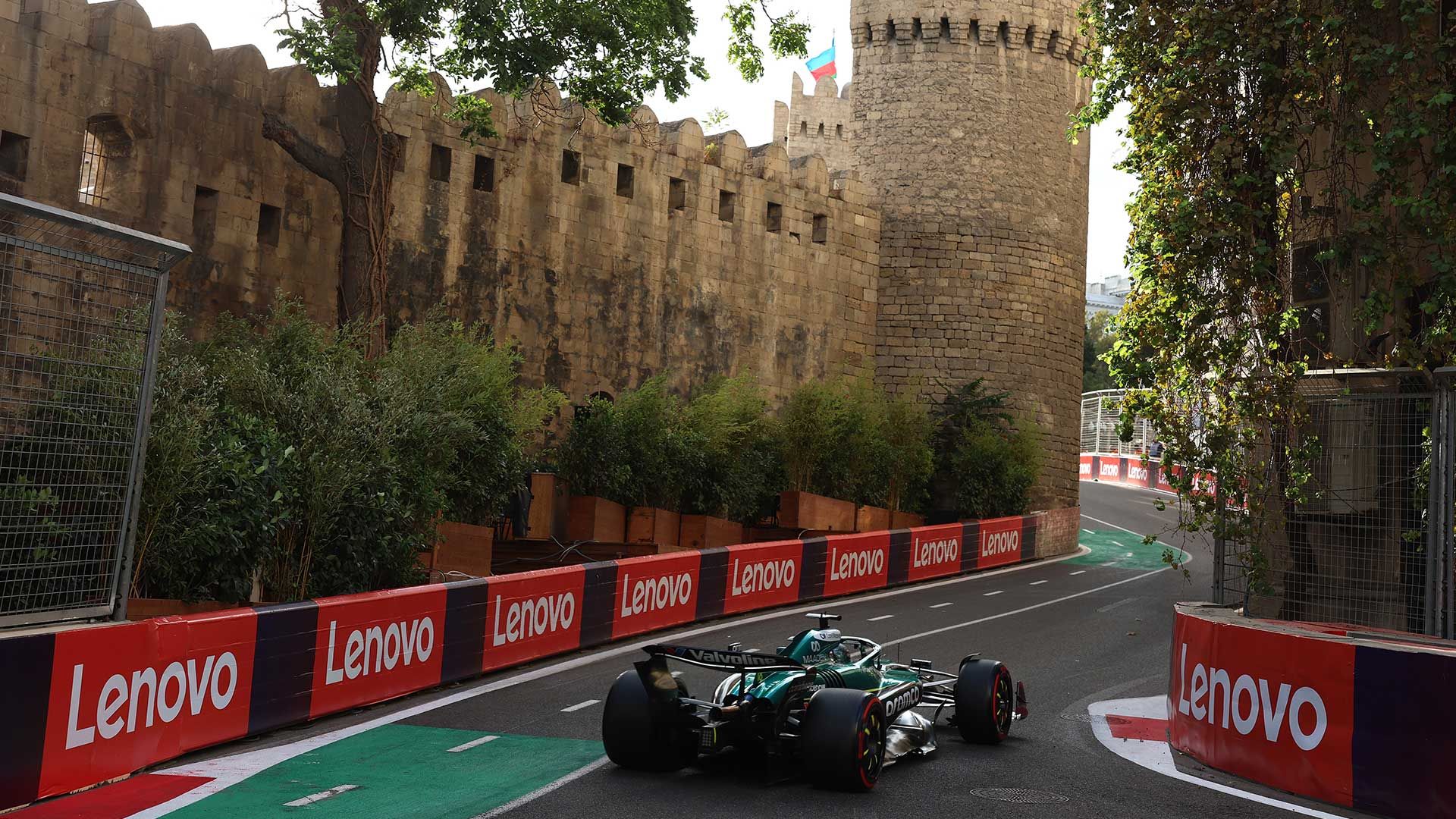
F1 activations have evolved beyond automotive sponsors plastering logos on barriers. Today’s trackside branding integrates lifestyle, fashion, and media properties in ways that feel native rather than intrusive.
Consider the Miami Grand Prix, where the Hard Rock Beach Club became as much a destination as the racing itself. Or the Las Vegas Strip circuit, designed explicitly to blend motorsport with entertainment district economics. These aren’t races with added entertainment; they’re integrated experiences where pop culture meets motorsport on equal terms.
Key entertainment partnerships now include:
- Fashion collaborations: Tommy Hilfiger with Mercedes, Puma across multiple teams, and luxury streetwear drops timed to race weekends
- Music integration: Post Malone, Travis Scott, and Calvin Harris performing at Grand Prix weekends, transforming race days into festival experiences
- Media crossovers: ESPN+, Amazon Prime, and Apple TV+ developing F1 content beyond race coverage
- Hospitality evolution: Michelin-starred chefs curating paddock dining, mixology competitions, and wellness zones in VIP areas

The GCC Advantage: Where Entertainment Meets Infrastructure
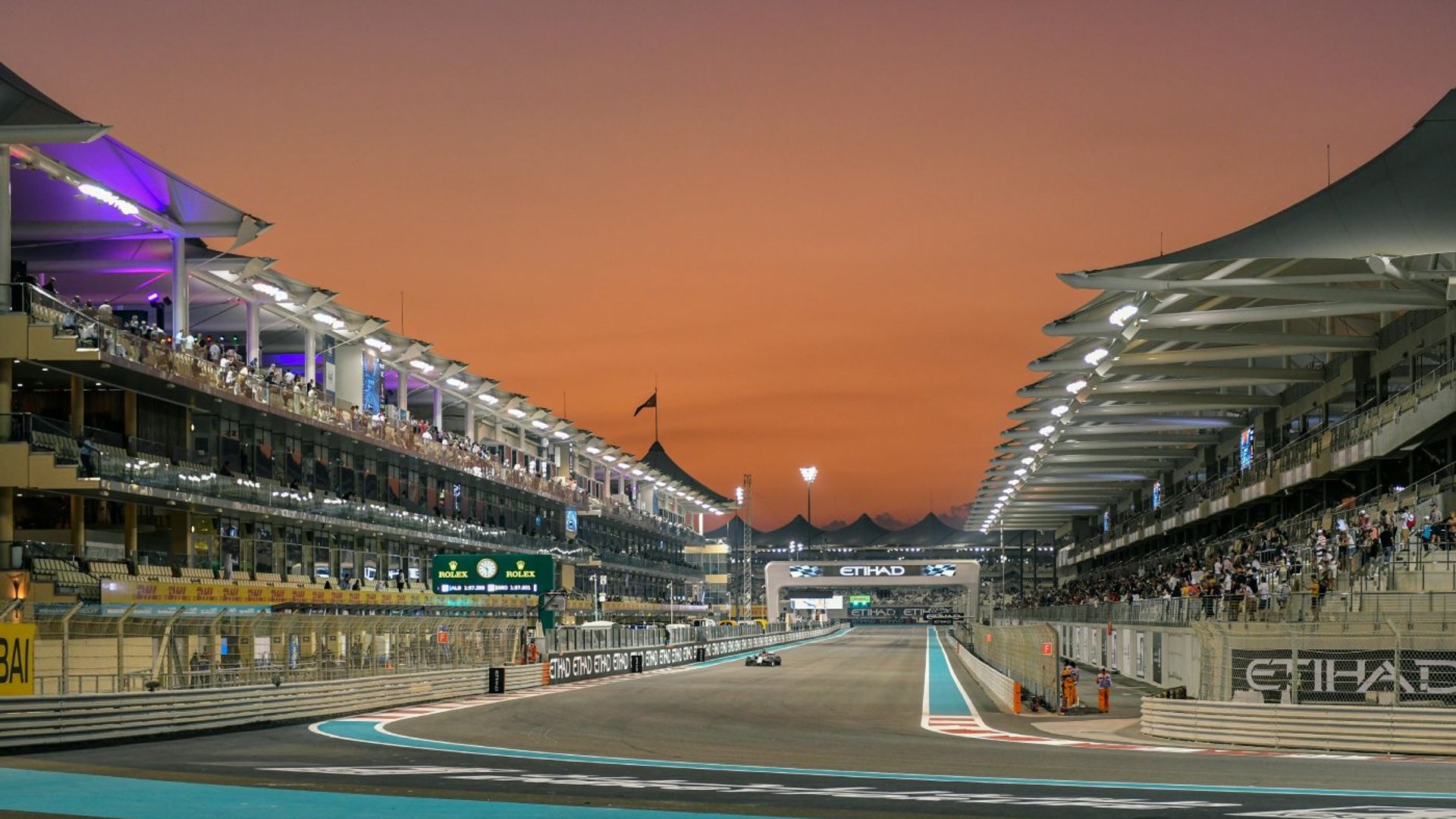
The UAE has positioned itself at the centre of this convergence. The Abu Dhabi Grand Prix pioneered the concept of post-race concerts as essential rather than supplementary, hosting everyone from Beyoncé to The Weeknd. Yas Marina Circuit isn’t just a venue; it’s an entertainment district that happens to host Formula 1.
This infrastructure advantage matters. When entertainment brands in Formula 1 seek activation opportunities, they need venues capable of supporting simultaneous motorsport and large-scale entertainment production. The GCC’s investment in world-class facilities creates possibilities that temporary street circuits cannot match.
Commercial Hospitality: The High-Value Crossover
For corporate buyers, this entertainment integration transforms the hospitality proposition. F1 corporate hospitality packages now compete with Coachella VIP experiences and Super Bowl suites rather than just other motorsport events.
The value equation has shifted. Brands aren’t buying trackside visibility alone; they’re accessing a cultural moment. A hospitality suite at a Grand Prix weekend now offers:
- Access to headline entertainment acts performing exclusively for paddock guests
- Networking with celebrities, athletes, and influencers drawn by the entertainment programming
- Content creation opportunities that resonate beyond automotive industry circles
- Association with premium lifestyle rather than purely technical motorsport heritage
Authenticity Versus Appropriation: The Balance Challenge
Not every crossover succeeds. The risk emerges when entertainment brands treat F1 activations as generic sponsorship inventory rather than motorsport-specific opportunities. Fans who lived through decades of racing heritage can detect superficial engagement instantly.
The successful partnerships share common traits. They respect the sport’s technical foundation whilst expanding its cultural relevance. They enhance rather than overshadow the racing. They understand that pop culture meets motorsport most effectively when both elements retain their distinct identities.
The Next Lap: Sustainability and Digital Crossovers
The entertainment transformation continues evolving. Gaming partnerships with EA Sports and Codemasters blur the line between virtual and trackside experiences. Sustainability-focused lifestyle brands see F1’s hybrid technology narrative as alignment opportunity. Web3 projects explore digital collectibles tied to race moments.
For commercial decision-makers in the GCC, this evolution presents strategic opportunity. As entertainment brands in Formula 1 seek authentic regional partnerships, organisations with genuine motorsport credentials and entertainment infrastructure capabilities occupy valuable positioning.
The transformation is permanent. Formula 1 has become a cultural platform where motorsport provides the foundation and entertainment creates the reach. For those who understand both languages, the activation possibilities have never been richer.