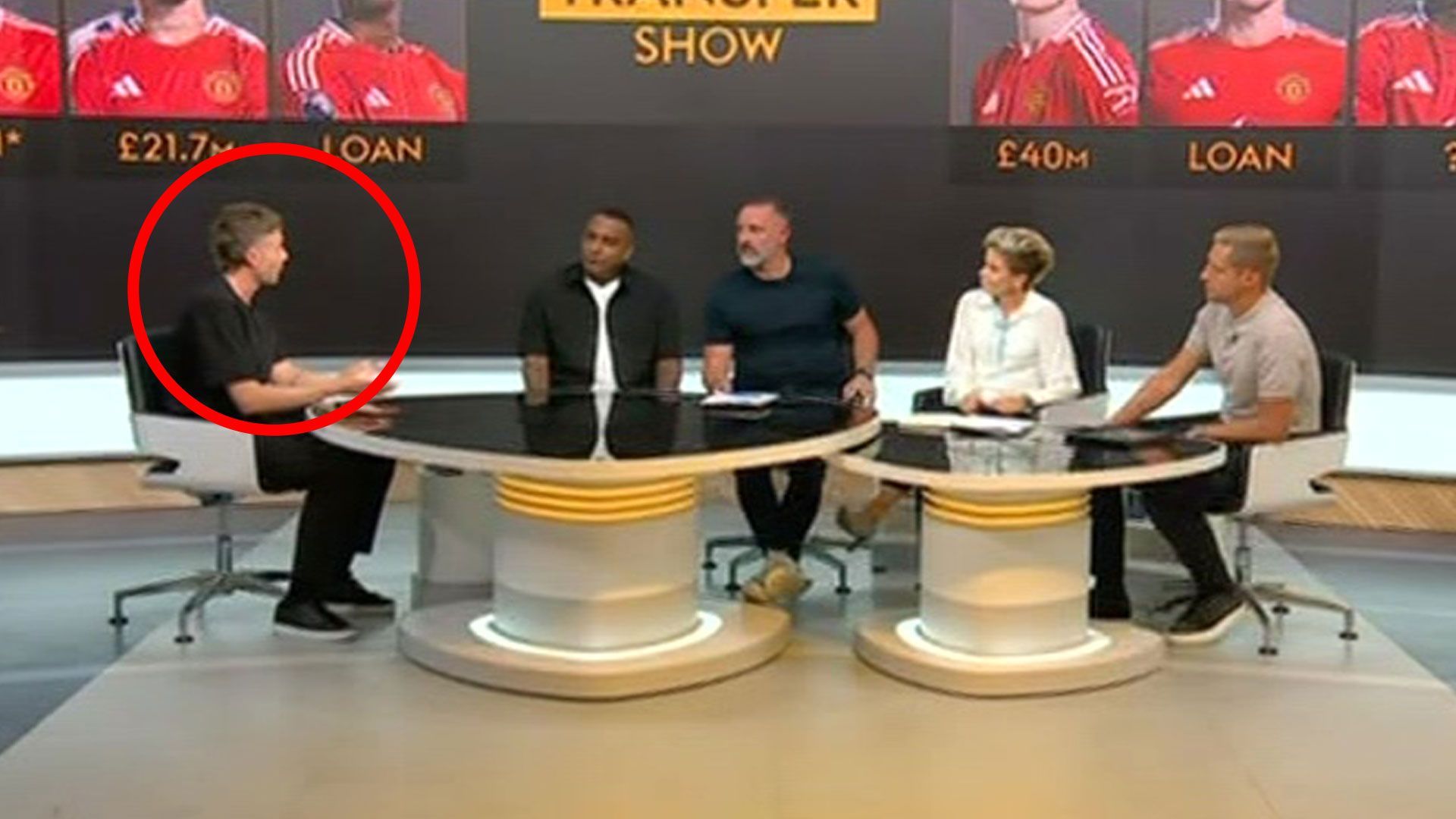

The pitches may be empty, but the business never stops. The summer transfer window transforms football into a £3 billion global marketplace where ambition, strategy and capital collide across continents.
The Premier League’s £3 Billion Statement
Last summer, Premier League clubs shattered spending records, investing over £3 billion in new talent. The summer transfer window, running from 15 June to 1 September, represents the sport’s most concentrated period of capital movement: a two-and-a-half-month sprint where squads are rebuilt, weaknesses addressed and statements of intent made in eight and nine-figure transactions.
This wasn’t simply reckless spending. It reflected the Premier League’s position as football’s wealthiest ecosystem, where broadcast revenues and commercial muscle create a transfer market operating on a different financial plane to most European competitors. English clubs have spent more on players than the other four major European leagues combined, with the Premier League’s annual revenue of €7.14 billion nearly matching the next two highest-grossing leagues together.
The Domino Effect: How One Transaction Moves Markets
Transfer windows operate on cascading logic. A single marquee signing triggers a chain reaction across leagues and continents:
- The catalyst: A top-six Premier League club signs a £100 million forward from La Liga
- The replacement: That Spanish club immediately targets a Serie A striker for £60 million
- The opportunity: The Italian side then raids a Portuguese club for £30 million
- The foundation: The selling club reinvests in emerging talent from South America or Eastern Europe
Each transaction funds the next. Capital flows downward through football’s hierarchy, but talent moves upward: a perpetual exchange that keeps the global marketplace liquid even when competitive football pauses.
This summer, the domino effect grew more complex as major international tournaments compressed the traditional pre-season calendar, forcing clubs to negotiate while key players competed abroad. Medical examinations were delayed, announcements postponed, and integration timelines shortened.
Saudi Arabia’s Strategic Window Advantage
The Saudi Pro League window operates on different rules entirely. While European leagues close their summer transfer window on 1 September, Saudi clubs maintain an open market until 12 October: a six-week advantage that fundamentally alters negotiating leverage.

This timing isn’t accidental. It’s strategic market positioning. European clubs facing squad imbalances after their own deadline passes suddenly find themselves vulnerable to late Saudi approaches for players they can no longer replace. The seller’s leverage evaporates; the buyer’s strengthens.
Last summer saw this dynamic play out repeatedly as Saudi clubs secured established European stars in September and early October: transactions that would have been far costlier or impossible had they been negotiated in July or August when selling clubs still had replacement options.
The UAE Market: Where Global Football Meets Regional Ambition
The GCC represents both a destination and a strategic hub in this global marketplace. UAE-based clubs increasingly feature in the summer transfer window conversation, while the region’s role as a pre-season training destination connects teams with sponsors, hospitality partners and commercial opportunities that fund future transfer activity.
For organisations navigating this landscape, premium hospitality experiences at major European fixtures offer direct access to the decision-makers orchestrating these multi-million-pound moves: the sporting directors, agents and executives who shape the summer transfer window from boardrooms and training grounds.
Capital Flow as Competitive Strategy
Modern transfer windows reveal which clubs understand football as a business and which still approach it as sport alone. The smartest operators recognise several truths:
- Timing matters: Early signings command premiums but secure first-choice targets; late bargains exist but carry integration risk
- Selling is as important as buying: Elite clubs generate £50–100 million in player sales to fund incoming transfers
- Loan markets create liquidity: Temporary arrangements allow clubs to manage Financial Fair Play while developing or assessing talent
- Negotiation is theatre: Public posturing, leaked interest and strategic briefings all serve to move markets and pressure rivals
The summer transfer window has evolved from a simple registration period into a sophisticated capital marketplace where transfer values fluctuate based on tournament performance, contract situations, and shifting tactical trends.
Beyond the Window: Year-Round Recruitment
The formal summer transfer window may close on 1 September, but elite recruitment never stops. Scouting networks operate continuously, data analytics track performance metrics in real-time, and relationships with agents and intermediaries are cultivated across the calendar.
January’s winter window offers a correction mechanism: a chance to address summer mistakes or respond to unexpected injury crises. But it’s the summer transfer window that truly defines a season, setting the competitive landscape before a ball is kicked in anger.
For clubs, sponsors and commercial partners across the UAE and GCC, understanding this rhythm matters. The summer transfer window isn’t just about players changing shirts. It’s about capital flows, strategic positioning and the relentless global business that makes football the world’s most valuable sport: even when the pitches are empty.

Related Articles
Matchday 1 Post-Mortem: What the Expanded UCL Single-Table Means for European Heavyweights